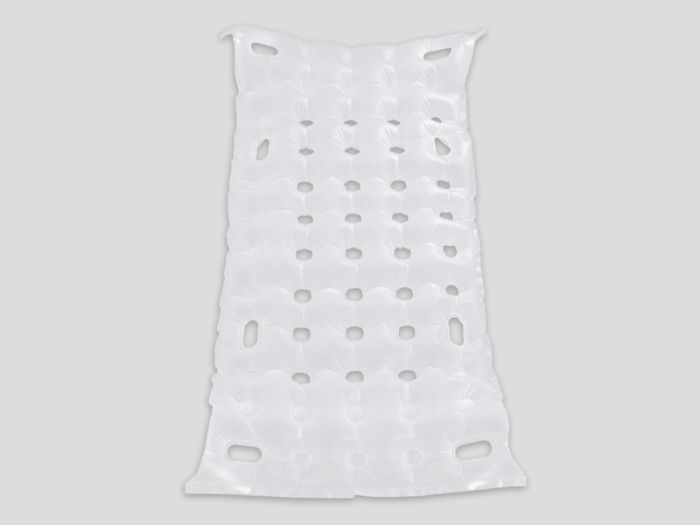
Facial massager TPU airbag liner with advantages and thermal sealing production
Advantages of the TPU Inner Bladder in Facial Massager Airbags
-
Precision Massage:
The high elasticity and moldability of the TPU inner bladder allow it to closely conform to facial contours, delivering targeted massage effects. This helps improve issues such as skin laxity, dullness, and enlarged pores. -
Enhanced Comfort:
The softness and elasticity of the TPU material minimize pressure during massage, ensuring a comfortable user experience. -
Superior Durability:
Thanks to the wear resistance and tear resistance of TPU, the inner bladder boasts a longer lifespan, enduring prolonged use and frequent inflation/deflation cycles.
Thermal Bonding Production Process for Facial Massager Airbag TPU Inner Bladders
The thermal bonding production of TPU inner bladders for facial massager airbags involves a meticulous, multi-step process. Below is a general overview:
I. Design Phase
- Requirement Analysis: Determine airbag dimensions, shape, inflation pressure, and other parameters based on functional needs and usage scenarios.
- Structural Design: Conceptualize and design the airbag structure, including hand-drawn sketches and preliminary 3D modeling, to provide precise references for production.
II. Mold Manufacturing
- Mold Design: Create molds based on design blueprints. Mold precision and stability are critical for ensuring airbag quality.
- Mold Processing: Use CNC machining for high-precision mold fabrication, ensuring smooth surfaces and accurate dimensions.
- Prototyping & Testing: Conduct pressure and airtightness tests on prototype molds to verify compliance with production standards.
III. Material Preparation
- TPU Material Selection: Choose TPU with properties such as high elasticity, wear resistance, tear resistance, and biocompatibility, tailored to usage requirements.
- Material Cutting: Precisely cut TPU sheets to match mold dimensions, ensuring full coverage with appropriate margins.
IV. High-Frequency Thermal Bonding Production
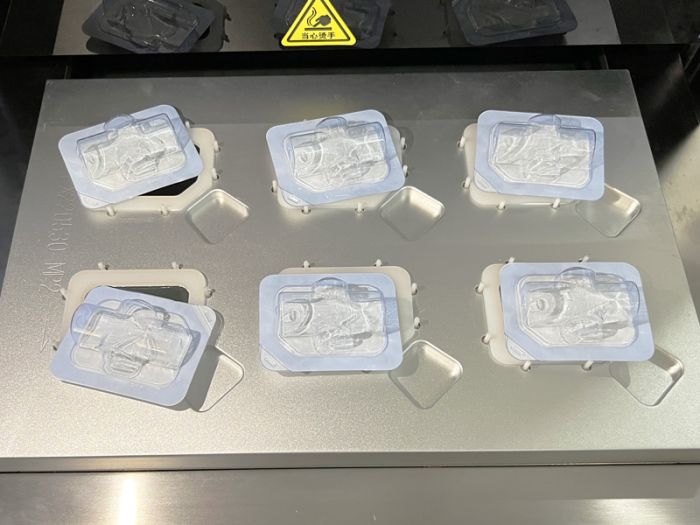
- Thermal Pressing: Place cut TPU sheets into molds for thermoforming. Temperature, pressure, and duration are tightly controlled to ensure shape stability and airtightness.
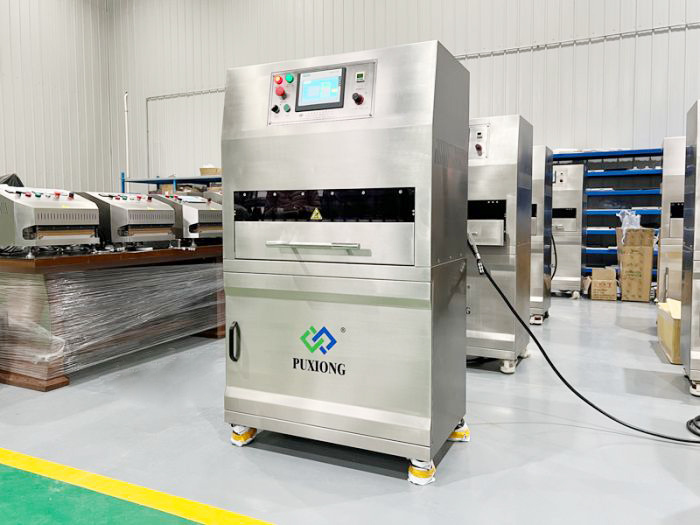
- High-Frequency Welding: Apply high-frequency electromagnetic waves to melt and bond TPU at seams. Parameters like frequency, power, and time are optimized for weld integrity.
- Inflation Testing: Inspect formed airbags for airtightness and shape consistency. Adjustments are made for leaks or deformities.
V. Trimming & Packaging
- Trimming: Remove excess edges and burrs to achieve a clean, polished appearance.
- Packaging: Safeguard finished airbags with protective packaging, labeled with product details and usage guidelines.
VI. Quality Assurance
- Visual Inspection: Verify surface smoothness and absence of defects.
- Dimensional Check: Measure critical dimensions against design specifications.
- Performance Testing: Validate inflation pressure, durability, and compliance with industry standards.