Application analysis of ultrasonic heat sealing machine in medical industry
Technical Characteristics Alignment with Medical Needs
Sterile and Efficient Welding
Utilizes high-frequency vibration (20–40 kHz) to generate heat through molecular friction in materials, achieving sealing without sutures or chemical adhesives.
Advantages: Eliminates contamination risks associated with traditional suturing, complying with medical-grade sterile standards (e.g., disposable infusion bags, sterile packaging seals).
Case Studies: Mass production of medical masks and surgical gowns with welding speeds of 2–15 m/min, achieving 5–6× higher efficiency than conventional methods.
Material Compatibility
Suitable for plastics (e.g., PP, PE), non-woven fabrics, and metal foils, ensuring biocompatibility.
Key Applications: Encapsulation of artificial joints and cardiac stents, avoiding thermal effects that irritate biological tissues.
Precision and Reliability
Welding strength approaches inherent material properties, with precise control over welding patterns (e.g., smooth seals for medical catheters).
Core Application Scenarios
Disposable Medical Supplies
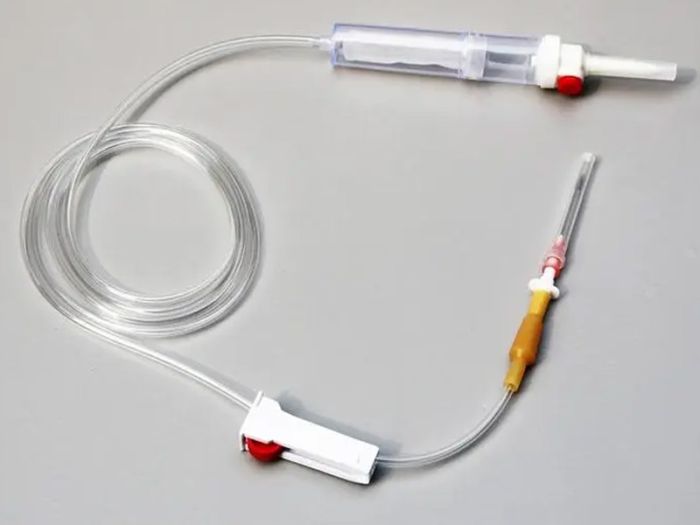
- Infusion bags, catheters: Sterile sealing via ultrasonic welding ensures liquid pathway safety.
- Sterile packaging: e.g., plastic tray sealing for disposable syringes, preventing microbial ingress.
Implantable Devices
- Artificial joints, bone nails: Welding minimizes thermal damage, preserving material integrity and preventing tissue inflammation.
- Pacemaker housings: Hermetic sealing compatible with medical-grade metals like titanium alloys.
In Vitro Diagnostic Equipment
- Blood analyzer sensors: Precision welding of micro-components ensures detection accuracy.
- Micro-pumps and valve bodies: Seamless fluid channel integration in portable blood glucose monitors.
Respiratory and Anesthesia Systems
- Oxygen tubes, anesthesia filters: Rapid welding of complex tubing systems reduces leakage risks.
Market Trends and Opportunities
Global Growth Drivers
The medical device market is projected to grow from \)542.21 billion in 2024 to $886.8 billion by 2032 (CAGR 6.3%), driven by aging populations and healthcare spending.
Domestic Substitution Acceleration
Chinese firms like Shenzhen Dongzi Technology are breaking technical barriers, supported by policies (e.g., Medical Device Operation Quality Management Regulations).
Technology Integration
- Smartization: Automatic optimization of welding parameters (e.g., power adjustment based on material thickness).
- Multifunctionality: Integration with laser cutting for one-step molding of medical non-woven fabrics.
Challenges and Optimization
Material Diversity
Requires welding parameter databases for medical polymers (e.g., polycarbonate) and composites.
High-End Equipment Dependency
Domestic devices lag behind欧美 brands (e.g., Nanosonics) in precision sensors and power stability, necessitating R&D investment.
Conclusion
Ultrasonic welding machines, with their sterile, efficient, and precise attributes, have become pivotal in medical device manufacturing. Driven by technological advancements and market demands, their applications in high-end implants, minimally invasive tools, and smart medical devices will expand, propelling the industry toward higher-quality development.