The material of the precision drainage bag
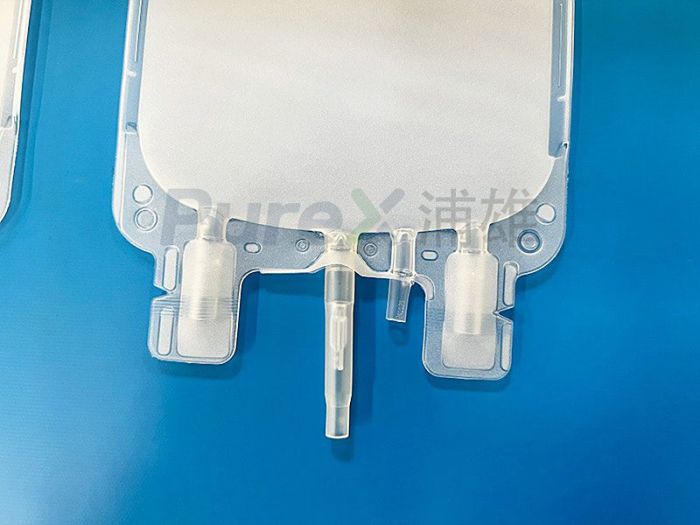
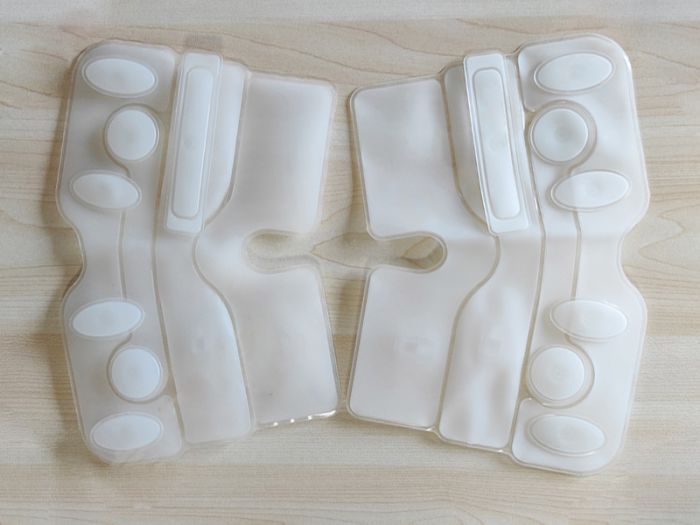
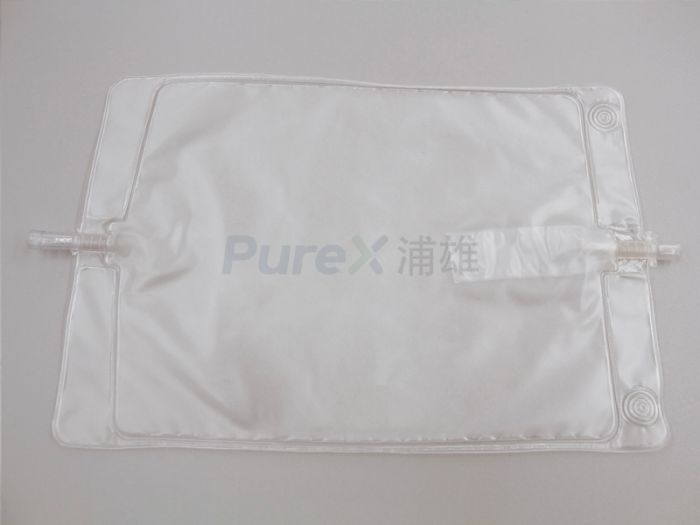
The material selection for precision drainage bags requires a balance of biocompatibility, chemical stability, and functional performance. The core components typically employ a composite structure of medical-grade polymer materials:
Bag Body Materials
- PVC (Polyvinyl Chloride):
Chosen for its high transparency and flexibility, PVC is the mainstream material for bag bodies. For instance, a specific model of precision drainage bag utilizes a double-layer PVC structure: the outer layer incorporates anti-aging agents to enhance durability, while the inner layer is specially treated to reduce drug adsorption rates. - PE (Polyethylene):
Used for components like drainage valves and flow-stopping clamps, PE's low-temperature resistance and chemical inertness ensure structural integrity during low-temperature sterilization. - ABS (Acrylonitrile Butadiene Styrene):
Applied to load-bearing parts such as hanging hooks and protective caps, ABS provides high tensile strength, withstanding up to 20kg of force without fracture, ensuring safe clinical suspension.
Functional Layer Materials
- Anti-Reflux Device:
A silicone one-way valve with a precisely calculated elastic modulus automatically closes under 0.02MPa pressure, effectively blocking urine or fluid backflow to minimize retrograde infection risks. - Air Filtration Membrane:
Imported PTFE (Polytetrafluoroethylene) membranes feature 0.2μm pores, enabling breathability while blocking water. These membranes filter 99.97% of bacteria, preventing cross-contamination caused by gas backflow.