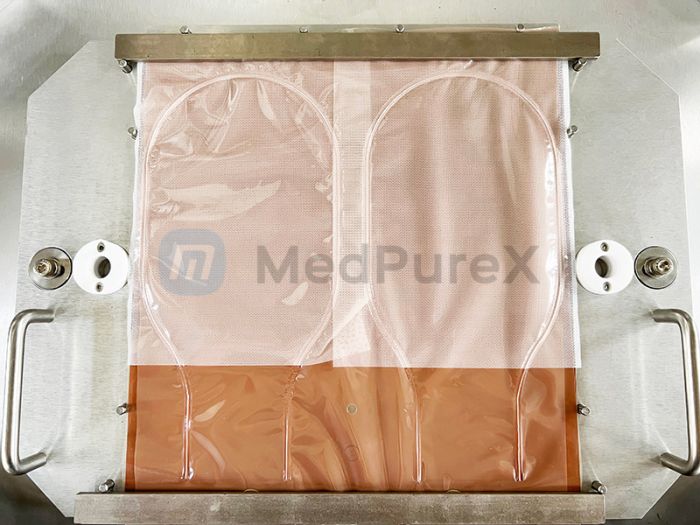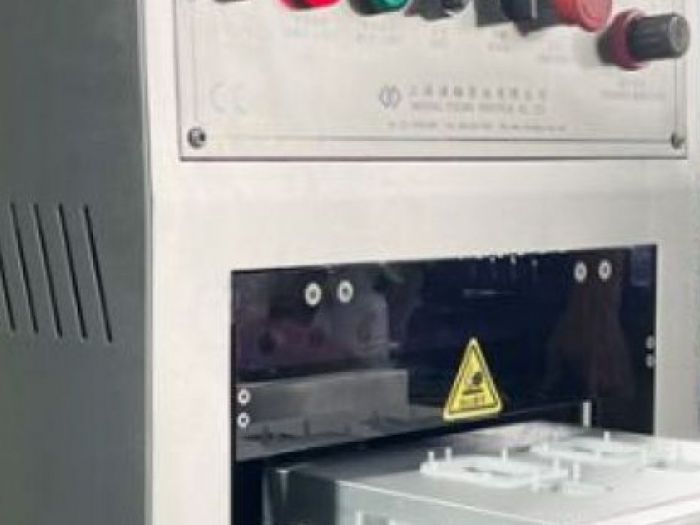
The specific application of large-table high-frequency welding machines on leg bags
High-Frequency Welding Machine with Large Workbed: Application in Leg Bag Manufacturing
The high-frequency welding machine applies in leg bag production by generating heat through molecular polarization friction of materials (e.g., PVC, TPU) under high-frequency electromagnetic fields, achieving seamless edge sealing and welding under mold pressure. This ensures product airtightness, durability, and production efficiency. Below is the detailed analysis:
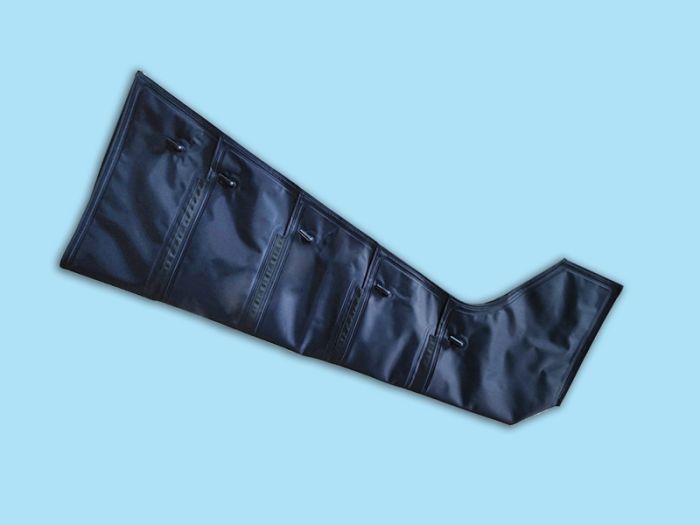
Core Applications: Leg Bag Welding & Sealing
Material Compatibility
The high-frequency welding machine polarizes PVC/TPU molecules via electromagnetic fields to generate frictional heat, enabling solvent-free bonding. This makes it ideal for manufacturing medical-grade leg bags (e.g., urinary drainage bags, surgical drain bags) and sports/medical compression sleeves, particularly where airtightness and durability are critical.
Welding Process Implementation
Edge Sealing
Open edges of leg bags are hermetically sealed to prevent leaks. The machine ensures weld strength ≥3 MPa, meeting medical-grade airtightness standards.
3D Embossing
Certain leg bags require anti-slip textures or aesthetic patterns. The machine simultaneously performs welding and embossing, enhancing product value.
Integrated Cutting Technology
Large-bed high-frequency welders can incorporate trimming tools to remove excess material (e.g., burrs) during welding, reducing material costs by >15% and boosting productivity.
Cross-Industry Relevance for Leg Bag Derivatives
Sports Compression Sleeves
- Achieves robust bonding of multi-layer composites (e.g., TPU+nylon) to prevent slippage during movement.
- Integrated trimming enables rapid customization (e.g., brand logo embossing).
Veterinary Leg Bags
- Precision control (0.2-0.6 MPa pressure; 0.1-10s duration) ensures micron-level weld depth for soft PVC materials, preventing scorching.
- Automatic over-current protection safeguards equipment from material thickness variations.
.jpg)