A detailed introduction to the welding of medical balloon catheters and an explanation of the production equipment, the high-frequency welding machine
I. Introduction to Medical Balloon Catheters
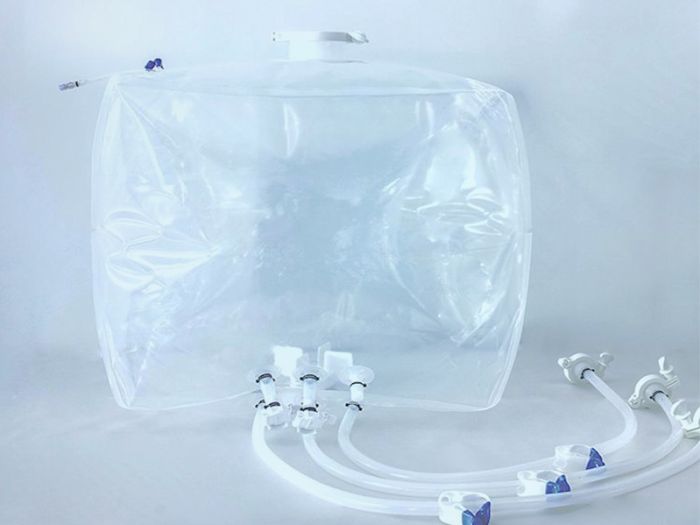
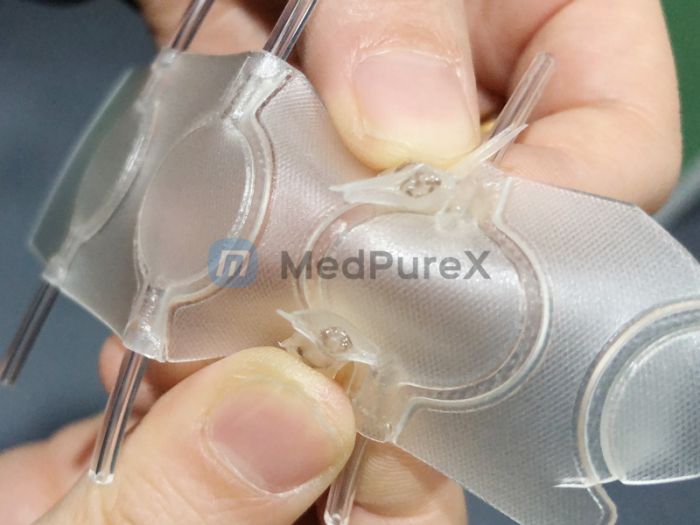
Medical balloon catheters are medical devices used to deliver blood or gases, widely applied in cardiac catheterization, vascular interventional therapy, and other fields. With advancements in medical technology, the demand for medical balloon catheters continues to rise, leading to increasingly stringent requirements for their welding processes. This article provides a detailed overview of the welding techniques for medical balloon catheters and highlights the features and advantages of high-frequency welding machines used in their production.
II. Welding Process for Medical Balloon Catheters
-
Preheating Treatment
Prior to welding, the weld area of the catheter undergoes preheating to enhance fusion quality and sealing performance. The preheating temperature typically ranges between 250°C and 400°C, with duration adjusted based on material type and thickness. -
Welding Methods
Common welding methods for medical balloon catheters include manual arc welding, gas-shielded welding (e.g., MIG/MAG, TIG), and laser welding. Gas-shielded welding is particularly favored for its deep penetration, minimal deformation, and high efficiency, making it widely adopted in catheter manufacturing. -
Post-Weld Heat Treatment
After welding, heat treatment is applied to eliminate residual stress, refine the metallographic structure, and improve mechanical properties and corrosion resistance. The post-weld treatment temperature is typically maintained between 600°C and 700°C, with a holding time of approximately 1 hour.
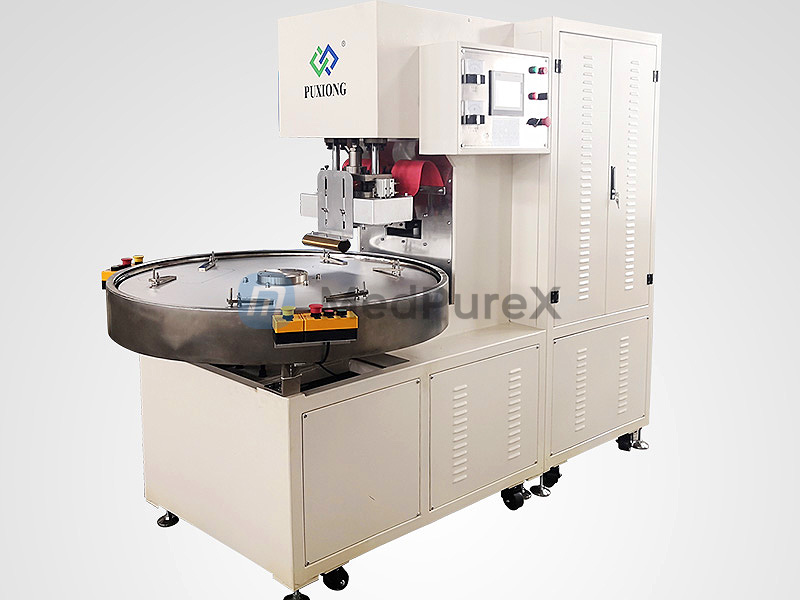
III. Overview of High-Frequency Welding Machines
High-frequency welding machines are automated devices that utilize high-frequency currents for heating. They are extensively used in medical balloon catheters, stainless steel products, and aluminum alloy manufacturing. Key features include:
-
High Efficiency & Energy Savings:
Induction heating eliminates contact-based methods, achieving over 50% energy savings compared to traditional resistance welding. -
Instant Heating:
Operating at kHz-level frequencies, these machines rapidly heat metal workpieces to target temperatures, drastically boosting productivity. -
Compact & Lightweight:
Their small size and portability enable welding in confined spaces. -
Precision Control:
Parameters such as heating intensity and holding time are precisely adjustable for optimal weld quality. -
Eco-Friendly:
No emissions of harmful gases or wastewater, aligning with environmental standards.
IV. Applications in Medical Balloon Catheter Production
- Enhanced Productivity: Enables rapid, large-scale production.
- Consistent Weld Quality: Ensures uniform heating for reliable joints.
- Lower Energy Costs: Outperforms manual arc welding in energy efficiency.
- Reduced Labor Intensity: Easy operation with minimal training requirements.
V. Conclusion
The welding quality of medical balloon catheters is critical to patient safety. High-frequency welding machines, with their precision, efficiency, and sustainability, have demonstrated exceptional value in catheter manufacturing. As medical technology evolves, high-frequency welding is poised to play an even greater role in advancing healthcare innovation.