Detailed introduction of negative pressure drainage bottles and the production process of high-frequency welding machine processing
With the continuous advancement of modern medicine, medical devices have played an increasingly critical role in clinical applications. As an essential instrument widely used in surgical procedures, trauma treatment, and other fields, the performance and quality of negative pressure drainage bottles directly impact patient safety. This article will provide a detailed introduction to negative pressure drainage bottles and elaborate on the application of high-frequency welding machines in their manufacturing process.
1. Introduction to Negative Pressure Drainage Bottles
Definition and Components
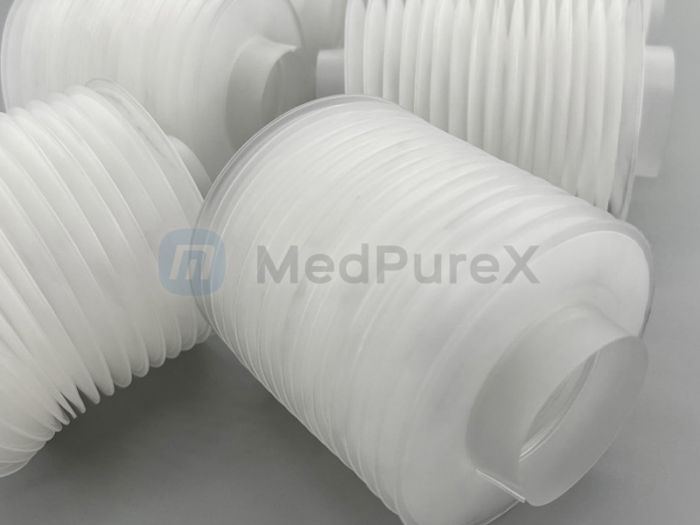
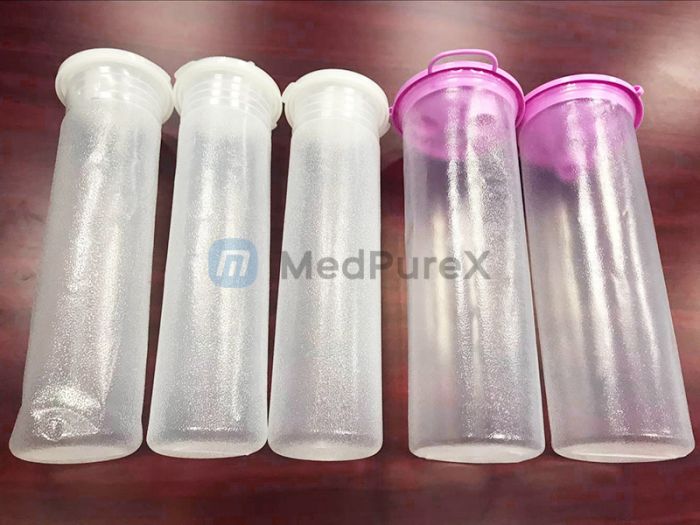
A negative pressure drainage bottle is a medical container designed to create negative pressure, primarily used for postoperative wound drainage, irrigation, oxygen delivery, and other treatments. It consists of three main components:
- Bottle Body: Typically made of non-toxic, antibacterial, and corrosion-resistant materials such as polyvinyl chloride (PVC) or polypropylene (PP).
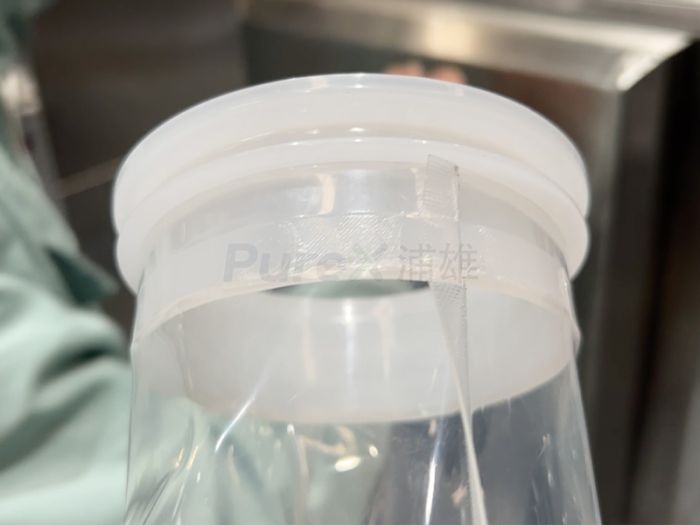
- Bottle Lid: Requires high sealing performance to prevent air leakage.
- Drainage Tube: A critical component connecting the bottle to external systems. Its material and diameter vary depending on therapeutic needs.
2. Design Principles of Negative Pressure Drainage Bottles
The fundamental principle involves utilizing negative pressure generated by a vacuum pump to create a pressure differential within the bottle, enabling fluid drainage and irrigation. Specifically:
- When the vacuum pump operates, it extracts gas from the bottle, reducing internal pressure and forming a negative pressure gradient.
- This gradient draws fluid from the wound into the bottle via the drainage tube, achieving effective drainage.
- Simultaneously, the pressure differential facilitates rapid expulsion of irrigation fluids, enhancing therapeutic outcomes.
3. Application of High-Frequency Welding Machines in Manufacturing
Fusion Welding
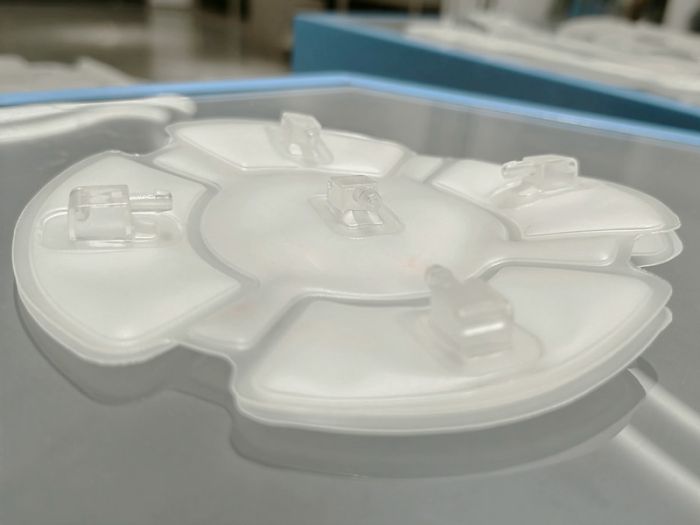
High-frequency welding machines are employed to fuse the inner/outer walls, lids, and tubes of negative pressure drainage bottles. This process involves heating materials to a molten state and applying pressure to bond and solidify them. Advantages include:
- Uniform weld seams and stable quality, making it ideal for connecting the bottle's internal and external layers.
4. Conclusion
As a vital component of medical devices, the performance and quality of negative pressure drainage bottles are crucial to patient health. This article has thoroughly explored the principles and manufacturing techniques of these bottles, with a focus on the role of high-frequency welding machines. Through optimized design and production processes, we ensure that negative pressure drainage bottles exhibit excellent sealing, stable pressure maintenance, and durability, thereby providing patients with safer and more effective treatment solutions.