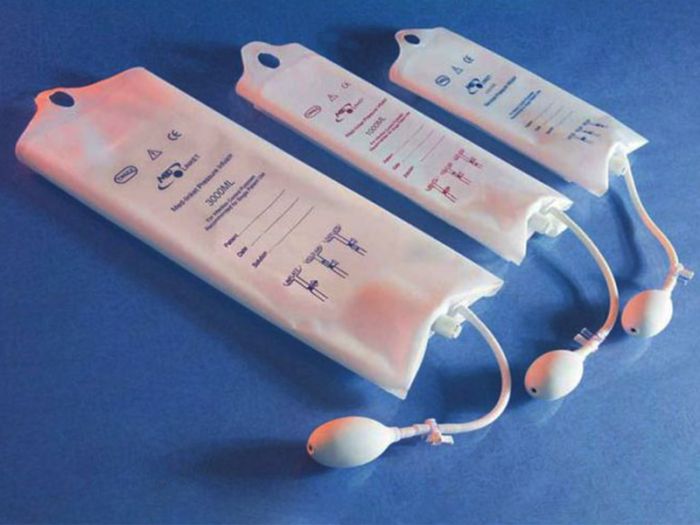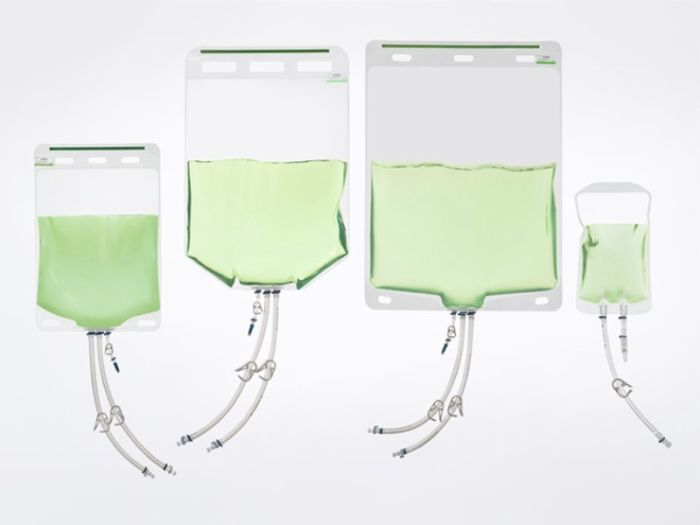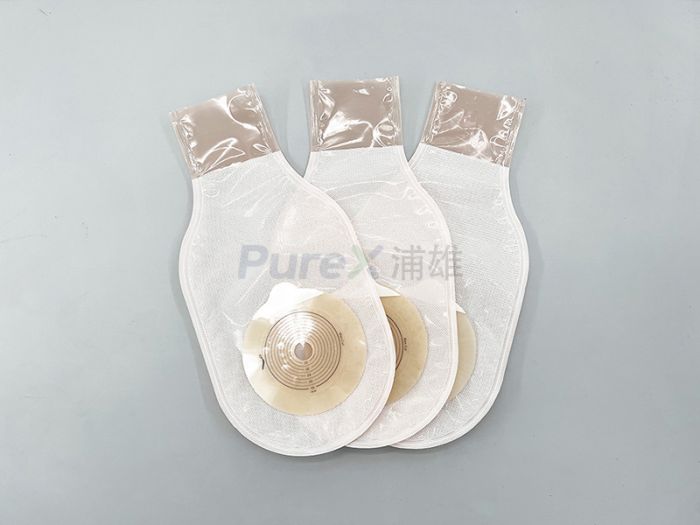
What 2D bags are used to produce sterile bags in A-level 100-level clean rooms
Definition of 2D sterile bags (flat bags) : 2D bags have a flat structure, usually made of two or more layers of film through heat sealing or high-frequency welding. They are flat in shape and are suitable for simple packaging or scenarios that require rapid sterilization.
.jpg)
Single-layer 2D Bags
Structure: Made from a single-layer film (e.g., PE, PP, PET, or fluorinated materials like PTFE, FEP).
Features: Low cost, high transparency, but weaker barrier properties and puncture resistance.
Applications: Short-term storage of low-risk products (e.g., general pharmaceutical raw materials, non-sterile powders).
Cleanroom Requirements: Must be manufactured in a Class A (ISO 5) cleanroom to ensure sterility, with flexible material selection.
Multi-layer Composite 2D Bags
Structure: Composed of two or more layers of different materials (e.g., PE/aluminum foil/PE, PET/AL/PE).
Features:
- Barrier Properties: Aluminum foil layer effectively blocks light, oxygen, and moisture, extending product shelf life.
- Puncture Resistance: Outer PET or nylon layers enhance bag strength.
- Sterilization Compatibility: Compatible with ethylene oxide (EO), gamma irradiation, or steam sterilization.
Applications: - Pharmaceutical packaging (e.g., powders, granules).
- Primary packaging for medical devices (e.g., surgical instruments, catheters).
- Food industry (e.g., powdered milk, coffee).
Cleanroom Requirements: - Lamination, bag forming, and sealing must be performed in a Class A (ISO 5) cleanroom to avoid contamination.
- Solvent residues during lamination must comply with pharmacopeial standards (e.g., USP <87>, <88>).
Breathable 2D Bags (Microbial Barrier Bags)
Structure: Incorporate a breathable membrane (e.g., Tyvek®, polyethylene fiber nonwoven) into a multi-layer composite bag.
Features:
- Allow gas exchange (e.g., gas release during EO sterilization) while blocking microbial ingress.
- Comply with ISO 11607-1 requirements for microbial barrier performance.
Applications: - Medical device packaging requiring post-sterilization breathability (e.g., sutures, implants).
Cleanroom Requirements: - Breathable membrane must be laminated to the bag body in a Class A (ISO 5) cleanroom.
- Microbial challenge tests (e.g., ASTM F1608) must validate barrier performance.