The principle of welding and cutting sponge dressings for medical equipment
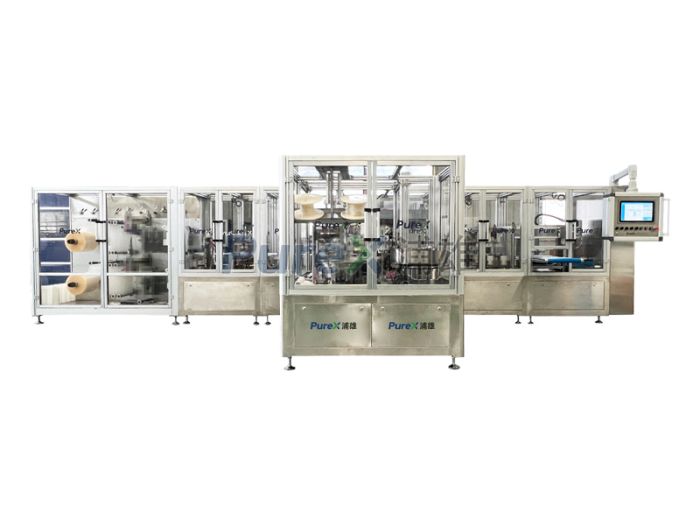
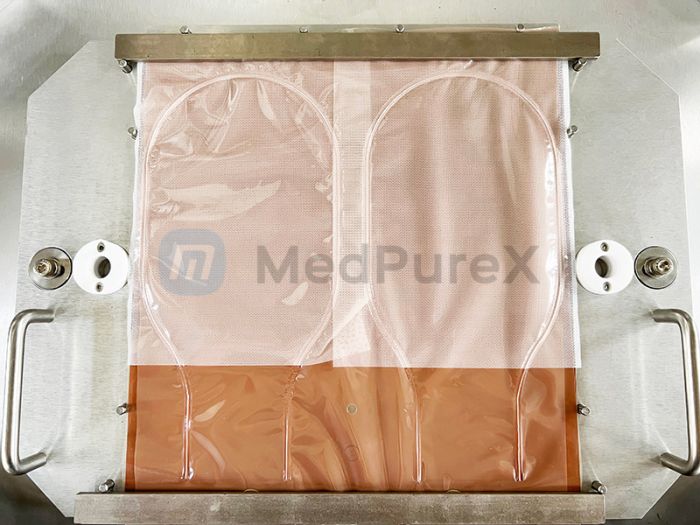
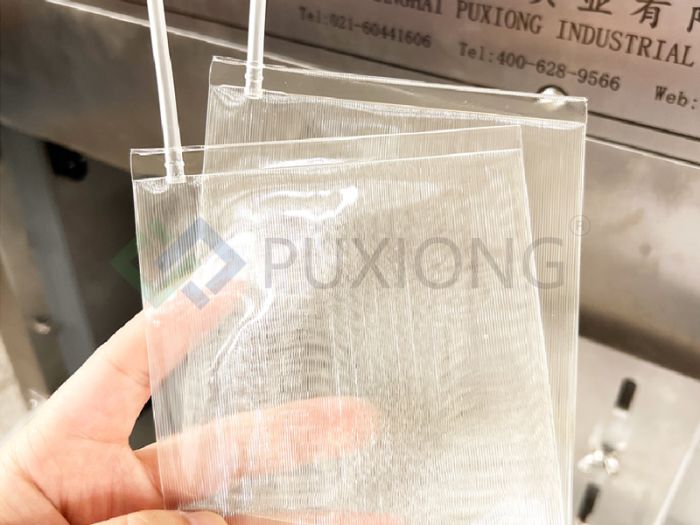
The principle of high-frequency equipment in medical devices for welding and cutting sponge dressings is primarily based on the molecular friction-induced heating effect generated by a high-frequency electromagnetic field, combined with mold pressure to achieve simultaneous fusion and cutting of materials. This process can be divided into three core steps:
-
High-Frequency Electromagnetic Field Heating: Molecular-Level Precision Temperature Control
The high-frequency equipment generates an electromagnetic field through a high-frequency oscillator. When sponge dressings (such as thermoplastic materials like polyurethane or PVA) are placed between the electrodes, the polar molecules within the material undergo rapid rotation and friction under the influence of the electromagnetic field. This molecular-level movement converts electromagnetic energy into thermal energy, rapidly raising the surface temperature of the material to its melting point (e.g., ~160-220°C for polyurethane), while the internal temperature remains relatively low. This creates a gradient heating state characterized by a "molten surface and solid interior."Advantages:
- Precise temperature control: Adjusting frequency and power allows accurate regulation of the heating zone and temperature, preventing material overheating or incomplete melting.
- Non-contact heating: No direct contact with the material reduces contamination risks, making it ideal for sterile medical-grade production.
- Rapid heating: Molecular friction generates heat efficiently, reaching melting temperatures within 0.1-1 second, significantly shortening production cycles.
-
Mold Pressure Fusion: Simultaneous Structural Reinforcement and Sealing
While the material surface is molten, the high-frequency equipment applies pressure (typically 0.1-5 MPa) through upper and lower molds, allowing the molten material to flow fully within the mold cavity and fill any gaps. Under pressure, the molecular chains of the molten material interdiffuse, forming strong intermolecular bonds. Meanwhile, the precise mold design (e.g., edge chamfering, internal structures) ensures dimensional accuracy and structural strength of the fused product.Key Functions:
- Enhanced sealing: Pressure ensures the molten material tightly adheres to the mold surface, forming a seamless welded layer that prevents liquid or bacterial penetration, meeting medical product sealing requirements.
- Structural reinforcement: Mold pressure allows the molten material to fill sponge pores, enhancing edge strength and avoiding issues like fraying or delamination common in traditional cutting methods.
- Simultaneous cutting: The mold edges are designed as sharp blades, enabling simultaneous welding and cutting under pressure, eliminating the need for secondary processing.
-
Cooling and Solidification: Shaping and Performance Locking
After welding and cutting, the high-frequency output ceases, while mold pressure is maintained for several seconds to tens of seconds, allowing the molten material to cool and solidify gradually under pressure. During this process, molecular chains realign and form stable crystalline structures, ensuring the welded area exhibits mechanical properties (e.g., tensile strength, elastic modulus) comparable to the original material. The cooling rate can be controlled via mold temperature regulation (e.g., circulating cooling water) to avoid internal stress or deformation caused by rapid cooling.Quality Assurance:
- Dimensional stability: Slow cooling minimizes thermal expansion and contraction effects, ensuring product dimensional accuracy meets medical standards (e.g., ±0.1 mm).
- Consistent performance: Controlled cooling conditions guarantee high consistency in welding strength, sealing, and other performance metrics across production batches.
- Sterility maintenance: The cooling process occurs within a sealed mold, preventing external contamination and complying with sterile production requirements for medical products.
Summary of Technical Advantages
High-frequency equipment achieves integrated production of sponge dressing welding and cutting through a three-step process: "high-frequency heating → mold pressure fusion → cooling and solidification." Its core advantages include:
- High efficiency and energy savings: Non-contact heating reduces energy loss, and processing time per unit can be shortened to 3-10 seconds.
- Eco-friendly and pollution-free: No adhesives or solvents are required, avoiding chemical residues and meeting environmental standards in the medical industry.
- Precision and adaptability: Adjusting frequency, pressure, and cooling conditions allows compatibility with various materials (e.g., PVA, polyurethane) and thicknesses (0.5-10 mm) of sponge dressings.
- Consistent quality: High welding strength (up to 10-50 N/15 mm) and excellent sealing (leakage rate < 0.01%) meet long-term usage requirements for medical products.