What are the application areas for blood pressure cuffs?
Blood pressure cuffs play a vital role in home blood pressure monitoring, enabling patients to track blood pressure changes accurately and conveniently, detect abnormalities promptly, and provide valuable data for physicians to formulate treatment plans. Furthermore, home monitoring empowers patients to manage their condition effectively, fostering better control of hypertension.
1. Accurate Blood Pressure Measurement: The cuff is a critical component of a blood pressure monitor; by inflating and deflating the internal bladder and working in conjunction with the device's pressure sensor, it accurately measures blood pressure levels. Proper cuff application during home monitoring ensures measurement accuracy, helping patients stay informed about their blood pressure status.
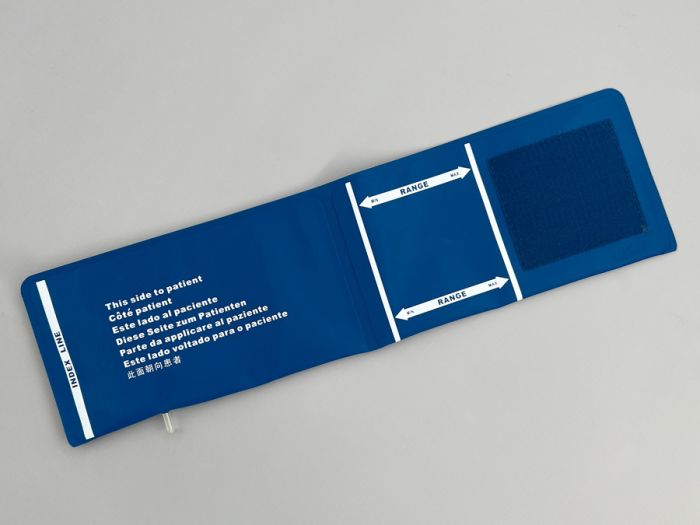
2. Convenient Self-Monitoring: Compared to professional medical equipment, home blood pressure monitors and their cuffs are far more portable and user-friendly. Patients can monitor their blood pressure anytime, anywhere at home, eliminating the need for frequent trips to hospitals or clinics. This convenience makes home monitoring a key tool in hypertension management.
3. Timely Detection of Abnormalities: Regular home monitoring allows patients to quickly identify blood pressure abnormalities, such as sudden spikes or drops. This enables timely interventions—such as dietary adjustments, increased physical activity, or medical consultations—to control blood pressure levels and prevent complications associated with hypertension.
4. Assisting Physicians in Treatment Planning: Data from home monitoring provides valuable insights, helping physicians gain a more accurate understanding of the patient's blood pressure status and treatment efficacy. Based on this data, physicians can adjust treatment plans—such as modifying medication dosages or switching drug types—to optimize therapeutic outcomes.
5. Enhancing Patient Self-Management: Home monitoring not only keeps patients informed about their blood pressure but also strengthens their ability to manage their own health. By regularly tracking and recording data, patients gain a better understanding of their physical condition and become active participants in managing and controlling their hypertension. This improved self-management capability helps patients better cope with the challenges posed by the condition.
.jpg)