
Patient experience with blood transfusion sets during the transfusion process
I. Pre-transfusion Preparation
1. Psychological Experience: Patients may feel nervous or anxious before a transfusion—especially those undergoing the procedure for the first time—often worrying about safety, effectiveness, and potential adverse reactions. Medical staff will provide detailed explanations and reassurance to help alleviate these anxieties.
2. Physical Examination: A series of tests is required prior to the transfusion, including blood typing and a complete blood count (CBC), to ensure the procedure is safe and effective. While these tests may cause some discomfort, they are usually completed quickly.
II. The Transfusion Process
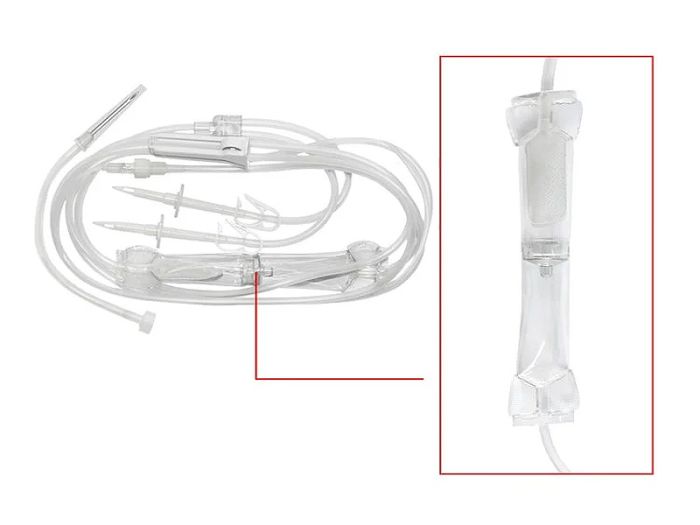
1. Starting the Transfusion: Nurses administer the blood using a standard transfusion set equipped with a filter to ensure safety and proper flow. The transfusion begins at a slow rate to allow for the monitoring of any potential adverse reactions.
2. Physical Sensations: Most patients experience no significant discomfort during the procedure, which feels similar to a standard IV infusion. Some patients may feel slight pain around the needle site, but this sensation is usually brief. Patients may also feel their body gradually warming up and notice an improvement in their energy levels or mental state.
3. Adverse Reactions: Although blood transfusions are generally safe, a small number of patients may experience adverse reactions, such as allergic reactions (e.g., skin itching, difficulty breathing) or febrile reactions (e.g., chills, high fever). Should an adverse reaction occur, medical staff will immediately stop the transfusion and provide appropriate treatment.
III. Post-transfusion Recovery
1. Physical Changes: After the transfusion, patients often notice an improvement in their physical condition, such as reduced fatigue and increased alertness. Medical staff will closely monitor the patient for a period following the procedure to ensure the transfusion's effectiveness and safety.
2. Follow-up Treatment: Blood transfusion may be just one component of a patient's overall treatment plan; additional therapies might be required to improve their condition. Medical staff will develop a personalized treatment plan based on the patient's specific needs and make adjustments through regular follow-up examinations.

.png)