
Key Points for Heat Sealing Medical Sterilization Blister Packaging
I. Importance of Heat Sealing
Heat sealing is a critical step in the blister packaging of medical devices. It involves the application of heat and pressure to melt and bond packaging materials, creating a secure seal. This sealing method effectively prevents the ingress of external microorganisms and contaminants, ensuring the sterility of the medical device during transport, storage, and use.
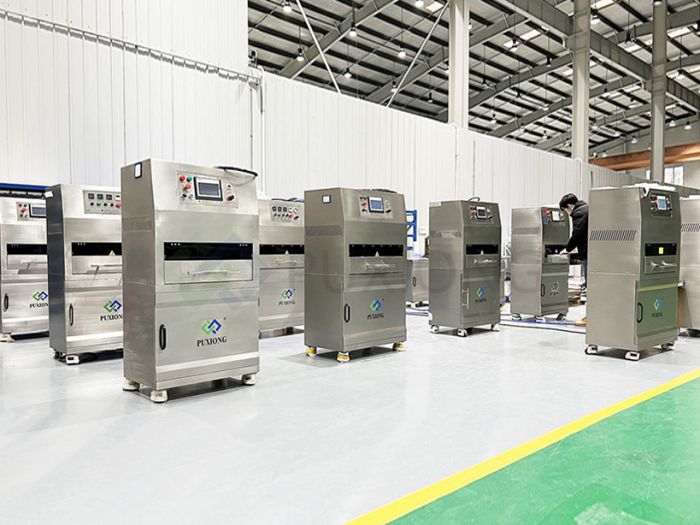
II. Heat Sealing Process
Preparation Phase: Select appropriate blister packaging materials and heat sealing equipment, ensuring the materials meet medical device packaging requirements and the equipment is in good working order.
Heating Phase: Heat the sealing equipment to the set temperature; this temperature is typically adjusted based on the type and thickness of the packaging material.
Sealing Phase: Place the medical device into the blister packaging and feed the packaging material into the heat sealing equipment. Heat and pressure are applied to melt and bond the materials, forming a seal.
Cooling Phase: After sealing, the package must be cooled to ensure the material at the seal fully solidifies, creating a stable sealing structure.
III. Quality Requirements for Heat Sealing
Seal Integrity: The seal must be complete and free of leaks, ensuring microorganisms cannot penetrate it. This requires verification through rigorous testing methods, such as visual inspection and bubble testing.
Seal Strength: The seal must possess sufficient strength to withstand external forces and pressure without rupturing. This can be evaluated using methods such as tensile testing.
No Delamination or Separation: There should be no material delamination or separation at the seal, as this would compromise the sealing effectiveness.
IV. Equipment Selection for Heat Sealing
Various types of heat sealing equipment are available on the market, including manual, semi-automatic, and fully automatic heat sealers. When selecting equipment, the following factors should be considered:
Production Efficiency: Choose the appropriate equipment model and specifications based on production needs to ensure efficiency.
Sealing Quality: The equipment's sealing quality must be stable and reliable, meeting the packaging requirements for medical devices.
Ease of Operation: The equipment should be easy to operate and maintain to reduce operator workload and improve work efficiency. V. Application Scenarios for Heat Sealing
Heat sealing is widely used in the blister packaging of various medical devices, such as syringes, infusion sets, catheters, and surgical instruments. Since these devices must remain sterile during transport, storage, and use, heat sealing serves as a critical packaging method.
Heat sealing is a vital step in the medical device packaging process. By selecting appropriate packaging materials, heat-sealing equipment, and process parameters, manufacturers can ensure consistent and reliable seal quality, thereby effectively guaranteeing the maintenance of sterility and safe transport for the medical devices.
.jpg)
.jpg)
.png)