
Heat Sealing of TPU Blood Pressure Cuffs
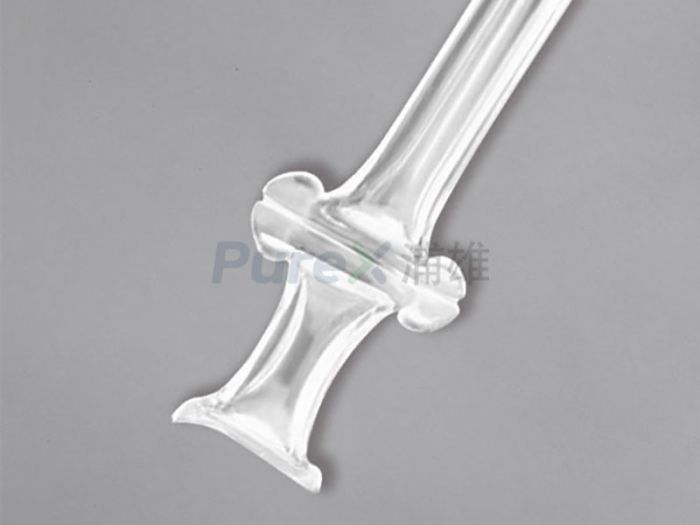
TPU blood pressure monitor heat sealing refers to the process of manufacturing the bladder or cuff component of a blood pressure monitor using thermoplastic polyurethane (TPU) material and joining the various parts together via a heat-sealing process. TPU is an ideal material for these components due to its excellent elasticity, wear resistance, aging resistance, and weatherability. Below is a detailed explanation of the TPU blood pressure monitor heat-sealing process:
I. Material Preparation
TPU Material Selection: Select TPU material that meets medical-grade standards, ensuring it is non-toxic, odorless, eco-friendly, and biocompatible.
Material Cutting: Cut the TPU material into the required shapes and sizes based on the blood pressure monitor's design specifications. This typically requires professional cutting equipment, such as laser cutters or mechanical cutting machines.
.png)
II. Heat-Sealing Process
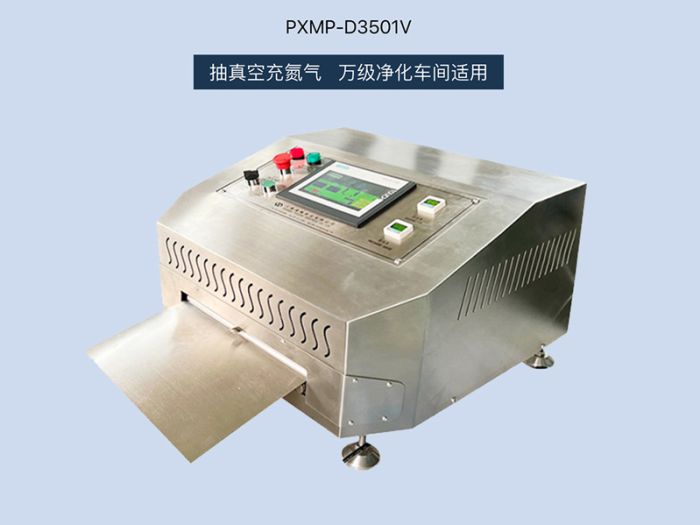
Heat-Sealing Equipment Selection: Choose appropriate heat-sealing equipment based on production needs. Common equipment includes high-frequency (RF) heat-sealing machines. Each type of equipment has its own advantages and disadvantages; the choice depends on specific material properties and product requirements.
Heat-Sealing Process:
Preheating (Optional): To enhance sealing efficiency and quality, some equipment preheats the TPU material.
Material Placement: Position the cut TPU material onto the heat-sealing equipment's mold or worktable according to design specifications.
Heating and Pressure: Activate the heat-sealing equipment to apply the appropriate temperature and pressure to the material. During heating, the surface of the TPU material melts and becomes tacky, allowing it to bond with the other material.
Cooling and Setting: Once heat sealing is complete, the material is cooled to allow it to set quickly and maintain a stable shape and size.
Quality Control: Parameters such as temperature, pressure, and time must be strictly controlled during the process to ensure sealing quality. Additionally, the finished product undergoes quality inspections, such as checking the strength and airtightness of the weld seams and the overall appearance.
III. Advantages of the Heat-Sealing Process
High Efficiency: The heat-sealing process is efficient and rapid, significantly boosting production output.
Eco-friendliness: The use of eco-friendly TPU material and the heat-sealing process aligns with modern environmental standards for medical equipment.
Consistent Quality: Precise control of heat-sealing parameters ensures product quality stability and consistency. IV. Precautions
Material Selection: Medical-grade TPU materials must be selected to ensure product safety and reliability.
Equipment Maintenance: Regular maintenance and servicing of heat-sealing equipment are required to ensure proper operation and extend service life.
Operational Standards: Operators must adhere to operational standards and safety protocols to ensure safety and stability during the production process.
The heat sealing of TPU blood pressure cuffs is a complex process involving material selection, heat-sealing techniques, and equipment maintenance. Through precise control of heat-sealing parameters and rigorous quality control, high-quality and highly reliable TPU blood pressure cuffs can be produced.
.jpg)