How to keep a medical vacuum sealing machine dry and clean
Medical vacuum sealers have become an indispensable part of the medical industry. They effectively protect the freshness and safety of medicines, vaccines, and other items, ensuring patients receive timely and effective treatment. However, due to the complexity and precision of medical vacuum sealers, keeping them dry and clean is particularly important. This article will provide a detailed introduction on how to properly maintain and clean medical vacuum sealers. I. Understanding the Structure and Working Principle of Medical Vacuum Sealers
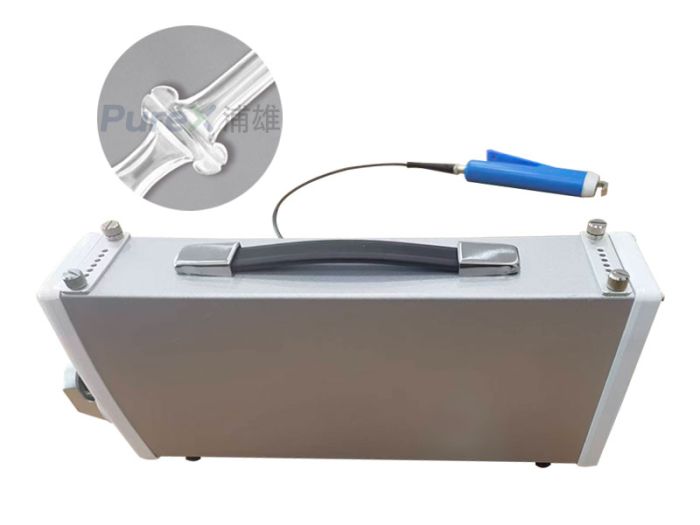
Medical vacuum sealers mainly consist of a vacuum pump, solenoid valve, temperature control system, and time control system. Their working principle involves placing the packaged item into a vacuum bag, then using the vacuum pump to extract air from the bag, creating a low-pressure environment, and finally completing the sealing process within a set time range. Therefore, to keep medical vacuum sealers dry and clean, it is essential to understand the function and usage of each component.
II. Cleaning Steps
1. Unplug the power cord: Before starting cleaning, always unplug the medical vacuum sealer to ensure safety.
2. Remove removable parts: As needed, remove removable parts of the medical vacuum sealing machine, such as the vacuum pump and solenoid valve, for deep cleaning.
3. Use a specialized cleaning agent: Select a specialized cleaning agent suitable for medical vacuum sealing machines and dilute and spray according to the instructions. Do not use cleaning agents containing acidic or alkaline components, as these may damage the equipment.
4. Wipe with a soft cloth: Gently wipe all parts of the equipment with a soft cloth sprayed with cleaning agent, especially areas prone to dirt accumulation, such as heaters and sensors.
5. Rinse the equipment: After wiping clean, thoroughly rinse all parts of the equipment with clean water to ensure all cleaning agent residue is removed.
6. Inspect and reinstall components: After cleaning, carefully inspect all components of the equipment for damage or missing parts. Replace or repair any abnormalities promptly. Then reinstall the removable parts into the equipment, ensuring a secure and reliable installation.
7. Power Connection: After all components are installed, reconnect the power plug to the medical vacuum sealer and start the equipment for a trial run to ensure all functions are normal.
III. Tips for Maintaining Dryness
1. Avoid Direct Sunlight: Place the medical vacuum sealer in a well-ventilated, cool place, avoiding direct sunlight to prevent overheating and malfunction.
2. Reduce Humidity: Avoid using the medical vacuum sealer in humid environments. Reduce indoor humidity by using ventilation equipment or a dehumidifier. Regularly maintain and clean the equipment to prevent moisture from entering.
3. Regularly Inspect Electrical Wiring: Regularly inspect the electrical wiring of the medical vacuum sealer for damage. Replace any damaged or aged wiring immediately. Take precautions against water and moisture to prevent moisture from affecting the normal operation of the equipment.
4. Use a Dust Cover: To protect the exterior and internal components of the medical vacuum sealer from dust and dirt, use a dust cover. When not in use or not used for an extended period, promptly remove the dust cover and store it properly.
Keeping the medical vacuum sealing machine dry and clean is crucial for ensuring its proper functioning and lifespan. Only through proper daily maintenance can the medical vacuum sealing machine provide patients with safer and more efficient treatment options.