Precision Medical Care: Optimization and Practice of the Heat-Sealing Connection Process for Disposable Blood Transfusion Sets
In the field of precision medical devices, the heat-sealing process for disposable blood transfusion sets is a critical factor in ensuring their safe and effective use. Optimizing and implementing this process not only impacts product performance and quality but also directly affects patient safety. The following is a detailed discussion on the optimization and practice of this process.
**I. Importance of the Heat-Sealing Process**
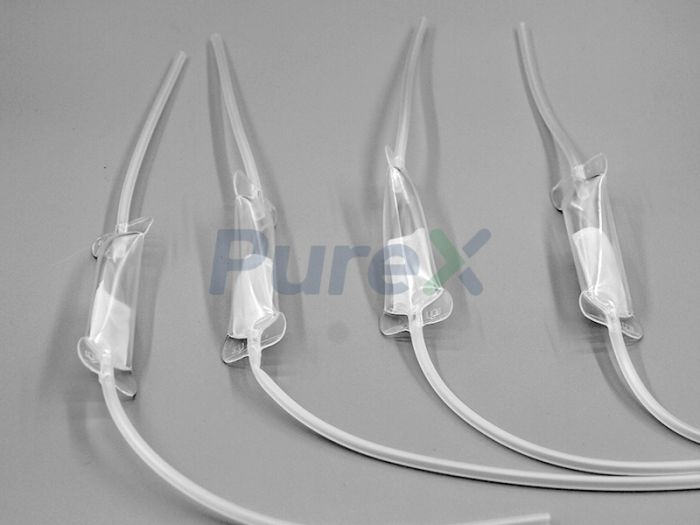
As indispensable instruments in medical procedures, disposable blood transfusion sets feature heat-sealed joints that must withstand the pressure of blood flow while maintaining sterility to prevent infection. Consequently, the quality of the heat-sealing process directly determines the seal integrity, strength, and sterility of the set, serving as a vital safeguard for transfusion safety.
**II. Optimization of the Heat-Sealing Process**
**Material Selection and Pre-treatment**
* **Material Selection:** Select medical-grade polymer materials—such as polypropylene (PP) and polyethylene (PE)—that comply with medical device standards; these materials offer excellent biocompatibility, chemical resistance, and aging resistance.
* **Pre-treatment:** Subject materials to rigorous pre-treatment steps, including cutting, cleaning, and drying, to ensure the bonding surfaces are flat and clean, thereby minimizing the impact of impurities on bond quality.
**Process Parameter Optimization**
* **Heating Temperature and Time:** Determine optimal heating temperature and duration ranges through repeated testing and data analysis. This ensures the material achieves good flowability during melting while avoiding deformation or scorching caused by overheating.
* **Pressure Control:** Precisely control the applied pressure during the sealing process to ensure the molten material diffuses adequately across the interface, forming a robust bond. Simultaneously, avoid excessive pressure that could cause material extrusion or damage.
**Equipment Upgrades and Automation**
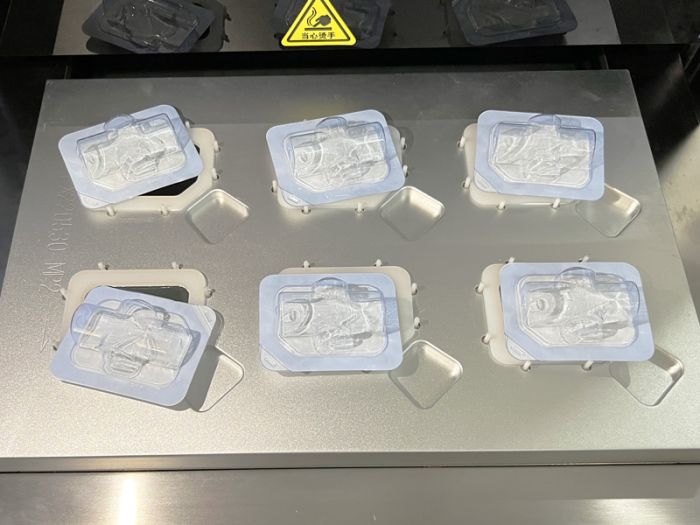
* Introduce advanced heat-sealing equipment—such as high-frequency heat sealers or sterile blood tube sealers—capable of precise control over parameters like heating temperature, time, and pressure, thereby enhancing the accuracy and efficiency of the seal.
* Implement automated production to minimize the influence of human factors on product quality. Utilize automated control systems to monitor and adjust various stages of production in real-time, ensuring consistent and stable product quality.
**Quality Inspection and Monitoring**
* Establish a comprehensive quality inspection system to rigorously test components after heat sealing. This includes seal integrity tests and strength tests to verify that the bond quality meets required standards. Implementing online monitoring and traceability systems allows for the real-time recording and monitoring of critical parameters during production, enabling rapid root-cause analysis and corrective action should issues arise.
III. Practical Cases and Outcomes
In actual production, many medical device manufacturers have successfully applied optimized heat-sealing processes to the manufacturing of disposable blood transfusion sets. Through measures such as material selection, process parameter optimization, equipment upgrades, and the implementation of automated production, manufacturers have not only enhanced product seal integrity, strength, and sterility but also significantly reduced production costs and defect rates. Furthermore, these optimizations ensure safer and more reliable blood transfusions for patients.
IV. Future Outlook
As medical technology advances and patient demands evolve, the optimization and practical application of heat-sealing processes for disposable blood transfusion sets will continue to deepen. Looking ahead, we can anticipate the emergence of new materials, processes, and equipment that will drive further innovation and improvement in heat-sealing technology. At the same time, strengthening interdisciplinary collaboration and the integration of industry, academia, and research will propel the continuous upgrading and iteration of heat-sealing technology, thereby contributing further to the development of the precision medical sector.