How is a drainage bag heat-sealed?
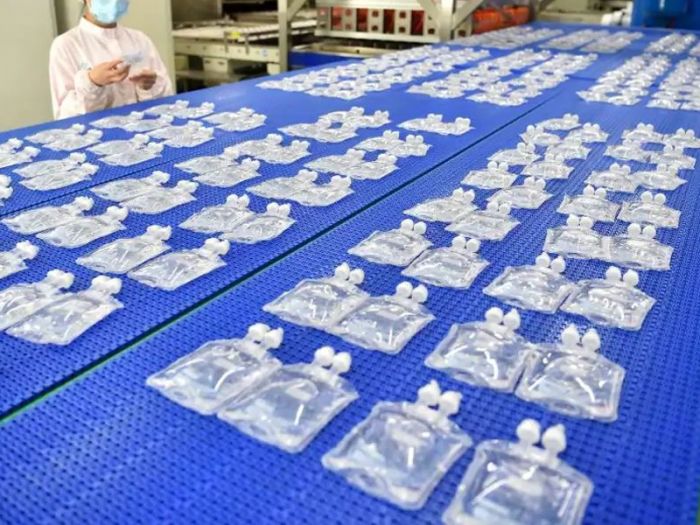
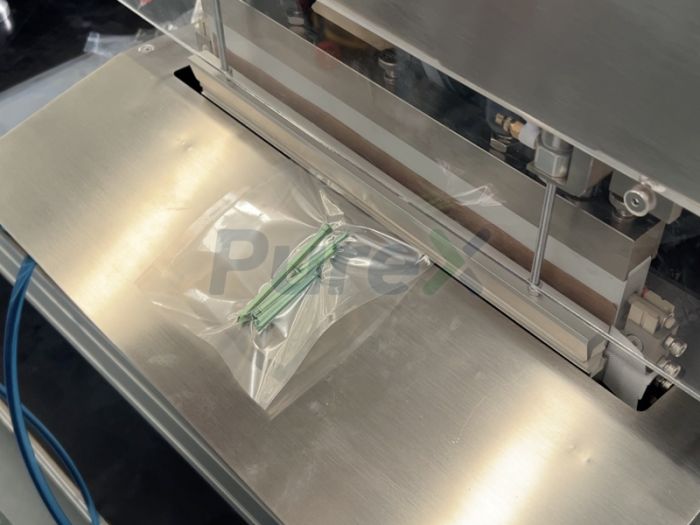
The drainage bag heat-sealing machine is the primary production equipment. It utilizes high-frequency heat-sealing technology to heat, melt, and press together drainage bag materials (such as PVC, EVA, etc.), forming a sealed drainage bag structure. This equipment is widely used in industries such as medical device manufacturing and packaging.
- Heat-Sealing Materials
Drainage bags are typically made of medical-grade polymer materials, such as PVC and EVA. These materials offer good biocompatibility and adequate mechanical strength, meeting the requirements for medical use of drainage bags.
- Heat-Sealing Process
- Material Preparation: The medical-grade polymer materials are cut and pretreated according to the designed dimensions and shape of the drainage bag.
- Heating and Melting: The cut materials are placed in the heating zone of the drainage bag heat-sealing machine, where a high-frequency electromagnetic field heats the surface of the materials to a molten state.
- Pressing and Sealing: While the materials are molten, the pressure mechanism of the heat-sealing machine presses them together to form a sealed drainage bag structure.
- Cooling and Setting: After pressing, the drainage bag is placed in a cooling zone to cool and set, ensuring its shape and seal stability.
- Safety Protection Devices
.jpg)
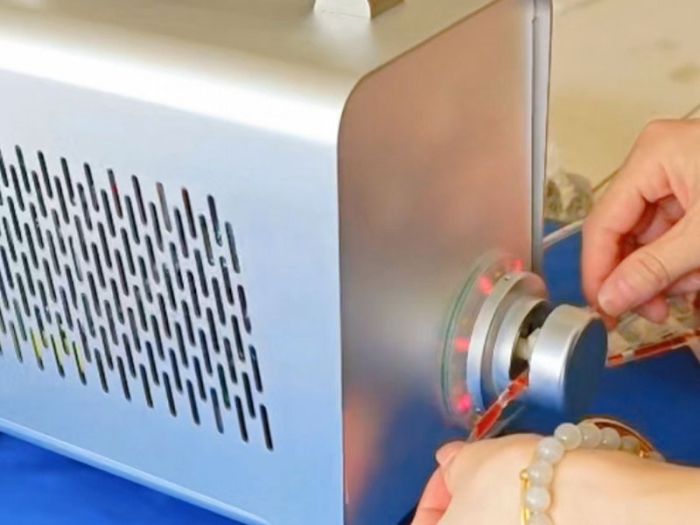
Drainage bag heat-sealing machines are typically equipped with safety protection devices, such as overload current relays and spark suppressors. These devices automatically cut off the power supply or issue warnings when the equipment operates under overload conditions or abnormal situations, protecting the safety of both the equipment and operators.
- Quality Control
During the heat-sealing process of drainage bags, parameters such as raw materials, heating temperature, and pressure must be strictly controlled to ensure that the quality and performance of the drainage bags meet medical product standards. In addition, finished products must undergo quality inspection and testing to ensure that indicators such as seal integrity and mechanical strength meet the requirements.