
Balloon Catheter Heat-Sealing Production: Advantages in Technical Innovation and Cost Control
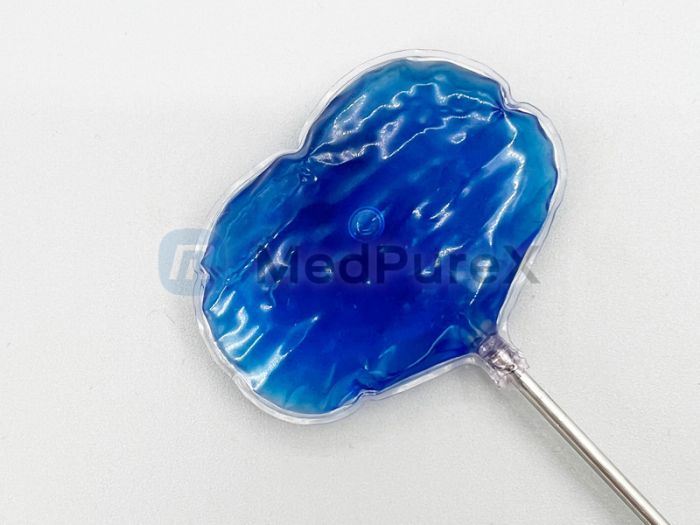
Balloon catheters play a vital role in various medical procedures, including angioplasty, stent delivery, and vessel dilation. In the manufacturing of balloon catheters, thermal bonding (heat sealing) is a critical process; it not only influences product quality and performance but also directly impacts production efficiency and cost control. This article explores the advantages of thermal bonding in balloon catheter production, the underlying technical principles, and its performance in practical applications.
I. Advantages of Thermal Bonding
1. High Material Utilization
By precisely controlling temperature and pressure, thermal bonding techniques—such as high-frequency bonding—ensure a tight integration between the balloon and the catheter, resulting in highly efficient material utilization.
2. High Bond Strength
Thermal bonding utilizes high temperatures to fuse materials together, creating a connection characterized by high strength and stability. This ensures the reliability and durability of the balloon-catheter assembly during complex medical procedures, thereby reducing the risk of medical incidents caused by bond failure.
3. High Degree of Automation
Modern thermal bonding equipment typically features a high level of automation, capable of executing processes such as material placement, heating, fusing, cooling, and shaping. This minimizes the complexity and potential for error associated with manual labor, while significantly boosting production efficiency and reducing labor costs.
II. Technical Principles of Thermal Bonding
The thermal bonding of balloon catheters primarily relies on techniques such as high-frequency vibration, ultrasonic welding, or thermal fusion. In high-frequency vibration bonding, the balloon and catheter are placed on a high-frequency vibration generator; the heat generated by these vibrations causes the materials to melt and bond securely. Ultrasonic welding utilizes energy from ultrasonic vibrations to convert friction between material molecules into thermal energy, facilitating fusion. Thermal fusion, meanwhile, involves using a heating element to directly apply heat to the materials, causing them to melt and bond.
III. Application of Thermal Bonding in Balloon Catheter Production
1. Material Selection
The materials used for balloon catheters are crucial to their performance and service life. Common materials include silicone, polyurethane, and various metals. These materials require specific temperature and pressure parameters during the thermal bonding process to ensure a high-quality bond. For instance, silicone offers excellent biocompatibility and high-temperature resistance, making it suitable for a wide range of medical procedures; polyurethane, meanwhile, provides superior wear and corrosion resistance, ideal for applications requiring high strength and durability.
2. Manufacturing Process
The production of balloon catheters involves several stages, including tubing preparation, balloon forming, and thermal bonding. During the tubing preparation phase, high-quality raw materials are selected and subjected to precise cutting and processing. Balloon forming is typically achieved through techniques such as stretch blow molding, which imparts the required shape and performance characteristics to the balloon. Finally, thermal bonding is used to securely join the balloon to the catheter, resulting in a complete balloon catheter product.
3. Quality Control
Quality control during the thermal bonding process is critical. To ensure consistent product quality and reliable performance, rigorous quality control measures must be implemented. This encompasses various aspects, such as the inspection of raw materials, monitoring of the production process, and testing of finished products. Through comprehensive inspection and testing protocols, it is verified that the balloon catheters meet all standard requirements regarding bond strength, burst pressure, and fatigue life.
IV. Conclusion
The thermal bonding of balloon catheters is a complex and precise manufacturing process. By employing advanced thermal bonding technologies and strict quality control measures, it is possible to produce high-quality, high-performance balloon catheters. These products not only exhibit excellent biocompatibility and durability but also play a vital role in a variety of medical procedures. Furthermore, thermal bonding offers advantages such as high material utilization, high production efficiency, and a high degree of automation, all of which help reduce manufacturing costs and enhance a company's competitiveness. As medical technology continues to advance and market demand grows, the thermal bonding technology used for balloon catheters will continue to evolve and improve, making an even greater contribution to the healthcare sector.


