Materials and Manufacturing of Inflatable Anti-Decubitus Mattresses
Anti-decubitus (pressure ulcer prevention) inflatable mattresses are manufactured using a variety of materials, most commonly PVC (polyvinyl chloride) and TPU (thermoplastic polyurethane). These materials offer excellent elasticity, durability, water resistance, and antibacterial properties, making them ideal for mattresses subjected to prolonged pressure and friction.
Manufacturing Materials
PVC:
PVC is a traditional material used for anti-decubitus inflatable mattresses. It possesses excellent toughness, extensibility, and fire resistance, allowing it to withstand significant pressure without rupturing.
PVC also exhibits good heat resistance, maintaining stable performance within a specific temperature range.
TPU:
TPU is a modern polymer material that offers superior elasticity, wear resistance, and aging resistance compared to PVC.
Mattresses made from TPU are more effective at distributing pressure, reducing localized compression, and thereby providing better prevention against pressure ulcers.
Manufacturing Process
The production of anti-decubitus inflatable mattresses generally involves the following steps:
Material Preparation:
Select the appropriate PVC or TPU material based on design specifications, and prepare necessary components such as air pumps and connecting tubing.
Air Cell Design:
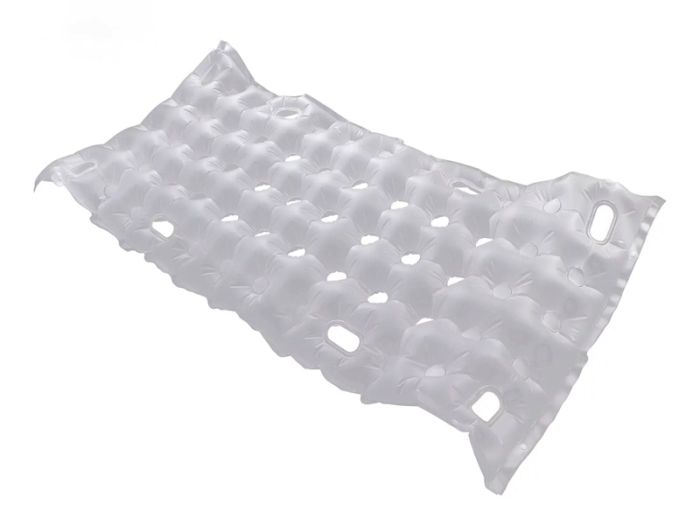
Determine the shape, size, arrangement, and quantity of the air cells based on the mattress's intended use and the patient's specific needs. Common air cell configurations include tubular (wave-style) and spherical (bubble-style) designs.
Cutting and High-Frequency Welding:
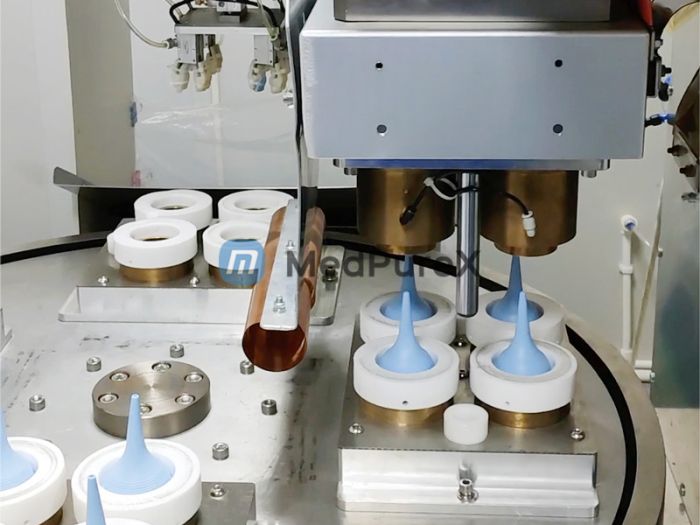
Use specialized cutting equipment to shape the materials. Subsequently, join the components together—typically via high-frequency welding—to form a complete air cell structure.
Inflation System Integration:
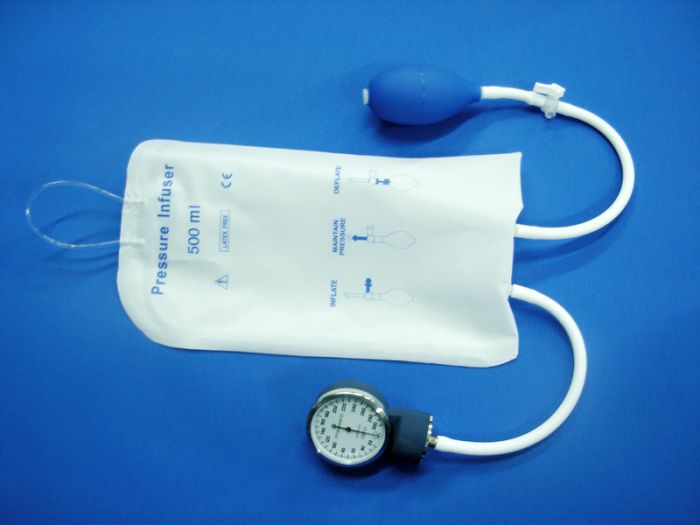
Install the air pump and connecting tubing, ensuring the pump can effectively inflate the air cells and regulate the internal pressure.
Sealing/Leak Testing:
Subject the finished mattress to a sealing test to ensure it remains airtight when inflated. This typically involves inflating the mattress with compressed air to a specific pressure and monitoring it over a set period to check for any pressure loss. Quality Inspection:
A comprehensive quality inspection is conducted on the mattresses—including visual checks, strength testing, and pressure testing—to ensure they meet all required quality standards.
Packaging and Dispatch:
Mattresses that pass inspection are packaged and accompanied by documentation, such as user manuals and warranty cards. They are then transported to retail channels or medical facilities for use by patients.
The production of anti-decubitus (pressure ulcer prevention) inflatable mattresses requires the selection of appropriate materials, combined with meticulous design and manufacturing processes, to ensure the quality and performance of the product. During use, patients and caregivers should also pay attention to the cleaning and maintenance of the mattress to extend its service life and maximize its effectiveness in preventing pressure ulcers.