Balloon catheter materials and heat sealing process
Balloon Catheter Materials
Balloon Materials:
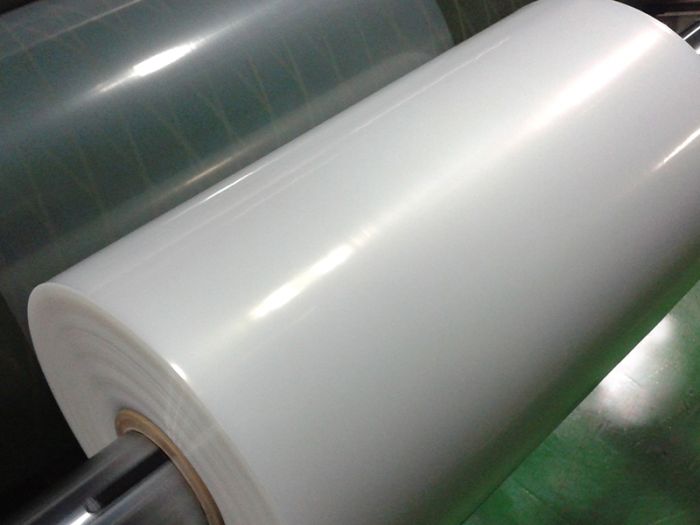
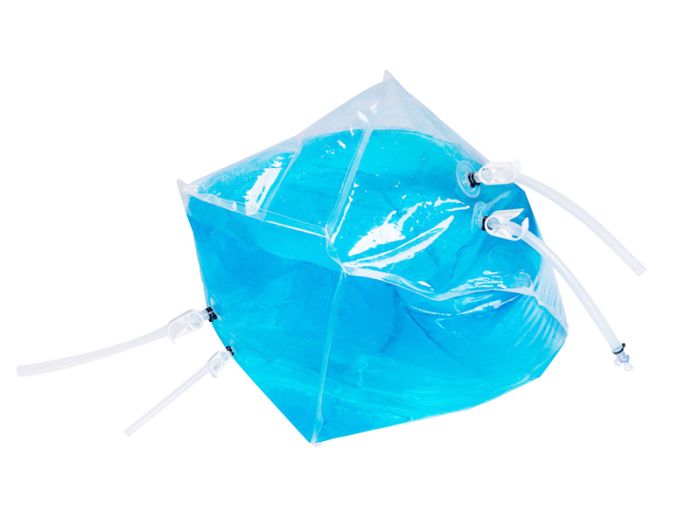
Common materials include polyurethane (PU), polyethylene (PE), polyvinyl chloride (PVC), polytetrafluoroethylene (PTFE) and its alloys, and polyester (PET). These materials exhibit high strength, non-expandability, thermal stability, chemical stability, and sterilizability. For example, balloons used in angioplasty must have controllable dimensions to prevent overexpansion and artery damage or rupture.
Catheter Materials:
The outer layer is made of polyurethane, while the inner layer uses Pebax. Alternatively, the catheter shaft may be constructed from radiopaque nylon 12 copolymer with a hydrophilic coating. Pebax 7033 is also occasionally employed.
Other Component Materials:
- Insertion sleeve: Pebax
- Probe: Stainless steel
- Y-connector: Polyvinyl chloride (PVC)
- Catheter hub: Polyurethane
- Balloon lumen connector: Polycarbonate
- Radiopaque markers: Platinum-iridium alloy (10% iridium)
Balloon Catheter Thermal Bonding Process
Purpose of Thermal Bonding:
To securely bond the balloon and catheter into a complete balloon catheter product.
Key Process Steps:
-
Preheating Treatment:
- The welding area of the medical balloon catheter undergoes preheating to enhance fusion quality and sealing.
- Preheating temperature: 250–400°C (varies based on material and thickness).
-
Welding Methods:
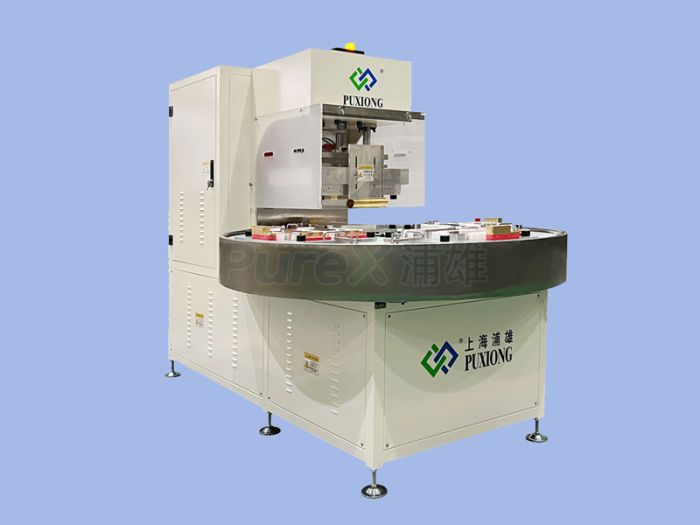
- Commonly used equipment includes the Puxiong Medical Thermal Welding Machine, which offers advantages such as minimal deformation, high bonding strength, and efficiency, making it widely adopted in balloon catheter manufacturing.
-
Post-heat Treatment:
- Post-weld heat treatment is applied to eliminate residual stress in the bonded area.
High-Frequency Welding Machine Applications
Advantages:
- Energy efficiency: Over 50% energy savings compared to traditional resistance welding.
- Rapid heating: High-frequency currents (up to several kHz) enable instant heating to target temperatures.
- Compact design: Lightweight and adaptable to confined spaces.
- Precision control: Customizable parameters (e.g., heating rate, dwell time) for diverse materials.
- Eco-friendly: No emissions of waste gas or wastewater.
Performance in Manufacturing:
High-frequency welding machines improve production efficiency, ensure weld quality, reduce energy costs, and minimize labor intensity in medical balloon catheter fabrication.