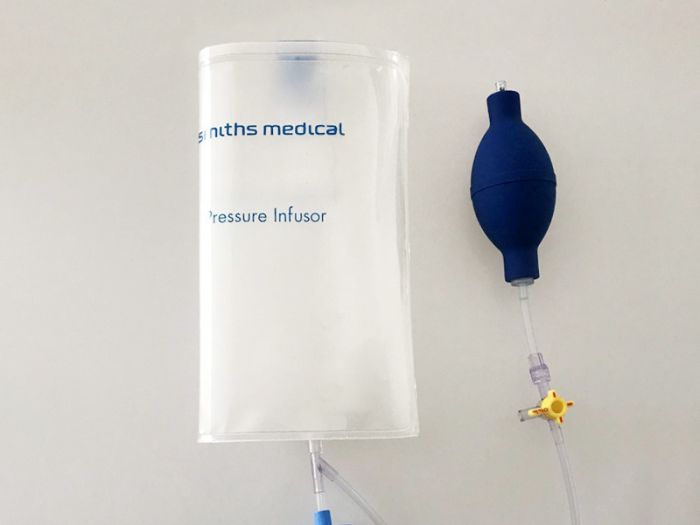
Blood transfusion device components
Introduction to Blood Transfusion Sets
A blood transfusion set is a medical device designed for administering blood to patients. It primarily consists of a blood storage bag, transfusion tubing, and transfusion needles.
.jpg)
Structure and Components
-
Single-Use Transfusion Sets
Typically made from polyethylene (PE) or polyvinyl chloride (PVC), these sets include:- Spike: For puncturing the blood bag.
- Drip Chamber: Allows visual monitoring of flow rate.
- Filter: Removes clots and impurities from the blood.
- Flexible Tubing: Transparent plastic tubing for blood passage.
- Flow Regulator: Controls infusion speed.
- Y-Site Connector: Enables simultaneous administration of other fluids.
- Luer Connectors: Leak-proof connections between components.
- Protective Caps: Ensure sterility before use.
-
Blood Storage Bags
Blood is stored in two types of containers:- Plastic Bags: Disposable, widely used for single-use transfusions.
- Glass Bottles: Reusable, less common today.
Both contain anticoagulants (e.g., citrate-phosphate-dextrose) to prevent clotting and maintain blood liquidity.
-
Transfusion Tubing
- Connects the blood bag to the patient.
- Made of flexible, transparent plastic to monitor blood flow.
- Features leak-proof connectors to prevent contamination.
-
Transfusion Needles
- Straight Needles: Used for short-term transfusions.
- Catheter Needles: Equipped with an indwelling catheter for continuous transfusion.
Working Principle
Blood flows from the storage bag to the patient’s bloodstream via gravity or pressure differential. The flow rate and volume are tightly controlled to ensure patient safety during transfusion.
Usage Guidelines
- Critical Checks: Verify the blood source, type, and cross-matching compatibility.
- Material Safety: Use biocompatible, sterile materials to minimize infection risks.
- Disposable Components: Single-use sets must be discarded post-procedure to avoid contamination.
Conclusion
Blood transfusion sets are essential medical devices for safely storing, delivering, and administering blood. They play a vital role in healthcare by supporting patient recovery during surgery, trauma care, or chronic conditions. Proper selection and adherence to protocols ensure transfusion efficacy and patient well-being.