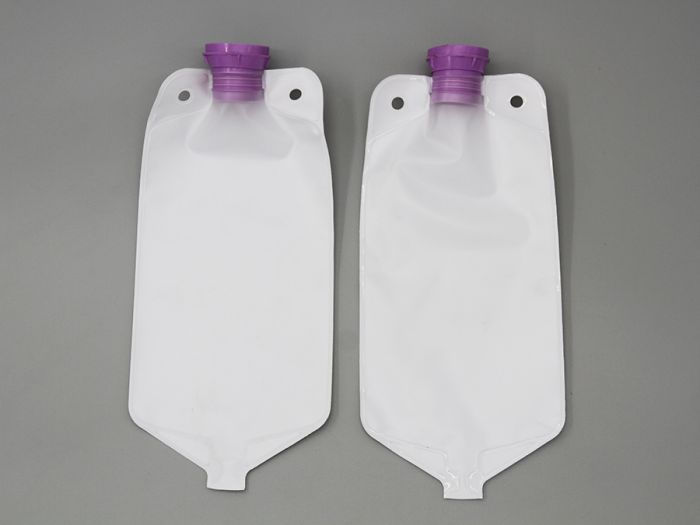
Application of oxygen bags in the prevention of altitude sickness
I. Increasing Blood Oxygen Saturation
1. Mechanism of Action: High-altitude regions have low atmospheric pressure and reduced partial pressure of oxygen, leading to decreased oxygen intake and tissue hypoxia. Oxygen bags provide high-concentration oxygen; by increasing the partial pressure of oxygen in the alveoli, they raise arterial blood oxygen saturation and improve oxygen supply to tissues.
2. Effects: Oxygen inhalation rapidly increases blood oxygen saturation and alleviates symptoms caused by hypoxia—such as headache, nausea, vomiting, and fatigue—thereby preventing the onset of altitude sickness.
II. Reducing Cardiopulmonary Burden
1. Function: The hypoxic environment at high altitudes places an increased burden on the heart and lungs, manifesting as elevated pulmonary artery pressure and increased resistance to cardiac pumping. Using an oxygen bag effectively lowers pulmonary artery pressure and reduces cardiac pumping resistance, thereby alleviating the strain on the heart and lungs.
2. Benefits: Reducing the cardiopulmonary burden helps lower the risk of altitude sickness; this is particularly important for individuals with underlying cardiopulmonary conditions.
III. Promoting Compensatory Mechanisms
1. Function: In high-altitude hypoxic environments, the body initiates various compensatory mechanisms to adapt—such as increasing red blood cell counts and enhancing cardiac pumping function. Oxygen bags facilitate these mechanisms; for instance, they promote the secretion of erythropoietin, accelerate red blood cell production, and enhance the blood's oxygen-carrying capacity.
2. Long-term Effects: Long-term oxygen therapy helps improve the physical condition of residents in high-altitude areas and enhances their ability to adapt to the environment.
IV. Preventing Acute Altitude Sickness
1. Manifestations of Acute Altitude Sickness: Acute altitude sickness is a severe form of altitude-related illness, characterized primarily by symptoms such as severe headache, vomiting, and impaired consciousness. These symptoms frequently occur in individuals who ascend rapidly to high-altitude regions.
2. Preventive Role: Oxygen bags rapidly increase blood oxygen saturation, alleviate symptoms of acute altitude sickness, and reduce the severity of the condition. Therefore, carrying an oxygen bag for preventive inhalation is highly significant in high-altitude areas, especially during rapid ascent.
V. Target Population
Individuals ascending rapidly to high-altitude regions, particularly those traveling directly from low-altitude areas to high-altitude locations. Individuals already exhibiting symptoms of altitude sickness, such as headache, nausea, fatigue, or difficulty breathing. Individuals with chronic cardiopulmonary diseases or other conditions affecting oxygen transport and utilization. Individuals required to perform strenuous physical labor at high altitudes.