Innovative Applications of Modern Polymer Materials in Ostomy Bags
As a crucial aid in medical care, the performance of ostomy bags directly impacts patients' quality of life and comfort. The properties of the film material—a primary component of the bag—are particularly vital, as they determine the product's barrier capabilities, flexibility, breathability, and overall user experience. With advancements in materials science, traditional PE and PVC films are increasingly being replaced by modern polymer materials such as LLDPE, EVA, and EVOH. The adoption of these new materials has not only enhanced ostomy bag performance but also driven innovation across the industry. This article explores the application and innovation of film materials in ostomy bags and illustrates, through specific examples, how these innovations improve the user experience for patients.
I. Application of Traditional Film Materials in Ostomy Bags
1.1 PE (Polyethylene) Film
Example: A popular ostomy bag featuring traditional PE film, manufactured by a leading medical device company, is widely used in the market. Made primarily from low-density polyethylene (LDPE), this bag offers excellent flexibility and chemical resistance, making it suitable for daily care. However, due to the limited barrier properties of PE film, patients requiring high levels of wound protection may need to change the bag more frequently, thereby increasing care complexity and costs.
1.2 PVC (Polyvinyl Chloride) Film
Example: Although PVC film once held a significant position in the ostomy bag sector due to its superior barrier properties, its use has faced increasing restrictions in recent years. For instance, a hospital that switched to PVC-free ostomy bags observed a marked decrease in allergic reactions among patients, while healthcare staff reported safer and more environmentally friendly handling. This shift reflects the medical industry's growing emphasis on material safety and environmental sustainability.
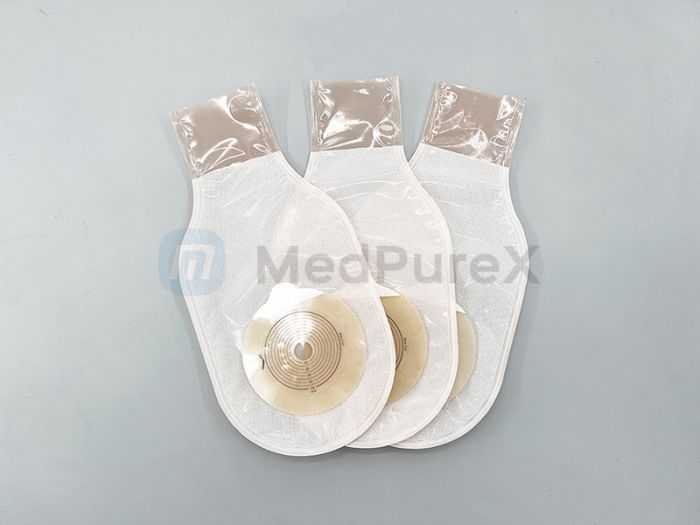
II. Innovative Applications of Modern Polymer Materials in Ostomy Bags
2.1 LLDPE (Linear Low-Density Polyethylene) Film
Example: An innovative medical device company launched an ostomy bag utilizing LLDPE film produced via an advanced blown-film process, resulting in superior tensile strength and tear resistance. A patient with an intestinal stoma who relies on ostomy bags reported that, since switching to this product, they experienced virtually no bag ruptures—even during vigorous activity or accidental impacts—thereby significantly reducing the frequency of bag changes and the burden of care. 2.2 EVA (Ethylene-Vinyl Acetate Copolymer) Film
Specific Example: A medical device brand focused on enhancing patient comfort incorporated EVA film into its premium ostomy bag products. These bags offer excellent softness and elasticity, allowing them to conform closely to the patient's skin contours and minimize friction and discomfort. After trying the product, an elderly patient reported feeling much more comfortable and natural compared to previous products, noting that he almost forgot he was wearing it.
2.3 EVOH (Ethylene-Vinyl Alcohol Copolymer) Film
Specific Example: In the field of high-end medical care, EVOH film is highly valued for its superior barrier properties. A hospital provided an EVOH-based ostomy bag to a patient with a complex intestinal stoma who required exceptional barrier performance. Use of this bag effectively protected the patient's stoma site, preventing any leakage or infection, thereby significantly improving treatment outcomes and the patient's quality of life.
III. How Film Material Innovation Drives Improvements in Ostomy Bag Performance
3.1 Enhanced Barrier Performance
Specific Example: As demonstrated by the EVOH ostomy bag case study mentioned above, the use of high-barrier materials significantly improves the bag's barrier capabilities. This effectively prevents the permeation of gases, liquids, and microorganisms, providing a safer and more reliable care environment for patients.
3.2 Improved Softness and Comfort
Specific Example: Ostomy bags made with EVA film have received high praise from patients for their softness and comfort. This material allows the bag to conform closely to the patient's skin contours, reducing friction and discomfort while enhancing the overall user experience.
3.3 Enhanced Durability and Puncture Resistance
Specific Example: The high-strength characteristics of LLDPE film ostomy bags provide excellent durability and puncture resistance. Even in complex or demanding usage environments, these bags maintain optimal performance, reducing the frequency of replacements and associated care costs caused by accidental damage.
3.4 Environmental Protection and Sustainability
Specific Example: With growing environmental awareness, some medical device companies have begun developing biodegradable or recyclable materials for ostomy bags. For instance, bio-based ostomy bags introduced by a certain company can naturally degrade or be recycled after use, thereby reducing environmental pollution and damage.
Conclusion
Through these specific examples, we can see that the application and innovation of film materials in ostomy bags have not only enhanced product performance but also provided patients with a superior, safer, and more comfortable user experience. As technology continues to advance and environmental awareness grows, there is every reason to believe that the application of film materials in the field of ostomy bags will become even more widespread and profound.
.jpg)