Considerations for the Production of Oxygen Bags
Oxygen bags are primarily constructed from non-toxic materials that do not produce harmful chemical reactions. Their design prioritizes both safety and durability. Key components include:
* **Air Bladder:** Made from rubber and PVC, materials selected to ensure the bag’s strength and longevity.
* **Nozzle and Valve:** Constructed from ABS, a material offering excellent sealing properties and durability, which helps maintain the bag’s safety and stability during use.
* **Tubing:** Made from natural rubber, which provides good elasticity and durability, ensuring the smooth delivery of oxygen.
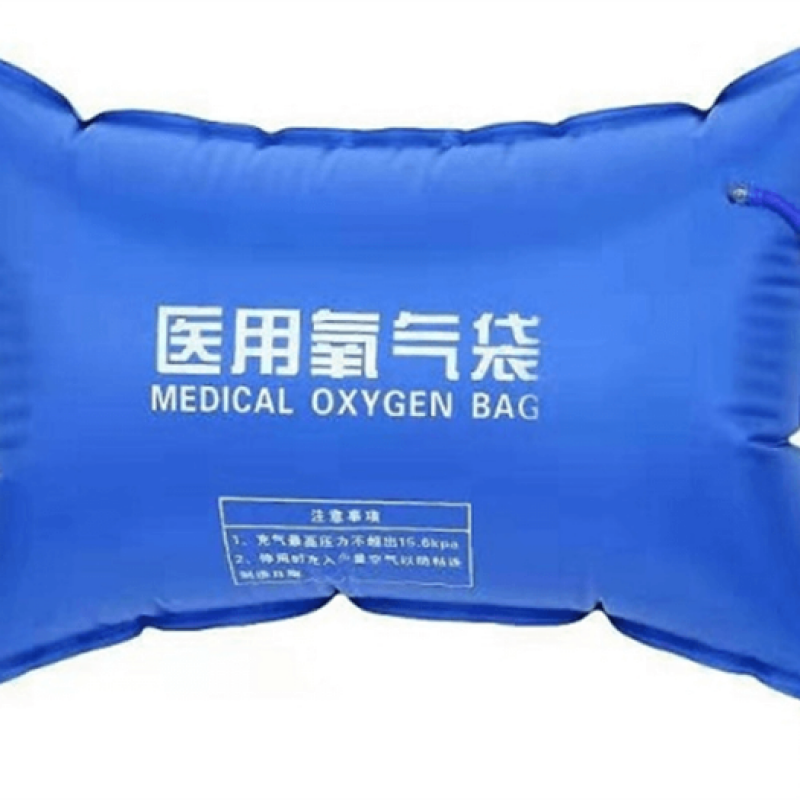
**Considerations for Oxygen Bag Production**
* **Material Selection:** Materials must be suitable for the transport and storage of oxygen, ensuring the bag’s durability and safety.
* **Design Considerations:** The design should account for ease of use, safety, and portability, ensuring that the product does not cause inconvenience or harm to the user.
* **Oxygen Filling Pressure:** The pressure used to fill the oxygen bag must be kept within a safe range; it should not exceed the bag’s maximum pressure capacity, as this could lead to rupture or damage.
* **Removal of Release Agents:** During production, any release agents used in the manufacturing process must be thoroughly removed to prevent discomfort or harm to the user.
* **Leak Testing:** Once manufactured, each oxygen bag must undergo leak testing to ensure it is airtight, guaranteeing effective oxygen storage and delivery.
* **Packaging and Storage:** Packaging should be waterproof, dustproof, and pressure-resistant. During storage and transport, the bags must be protected from excessive compression or high temperatures to maintain their quality and safety.
Furthermore, the production of oxygen bags must comply with relevant standards for medical devices and supplies, ensuring that the products meet all safety and quality requirements to provide users with a safe and effective oxygen supply.